





Meeting Endorois elders and youth from the Revitalize the Roots project by Jamii Asilia Centre
JamiiAsilia_RtRInterviews_PostCover.001
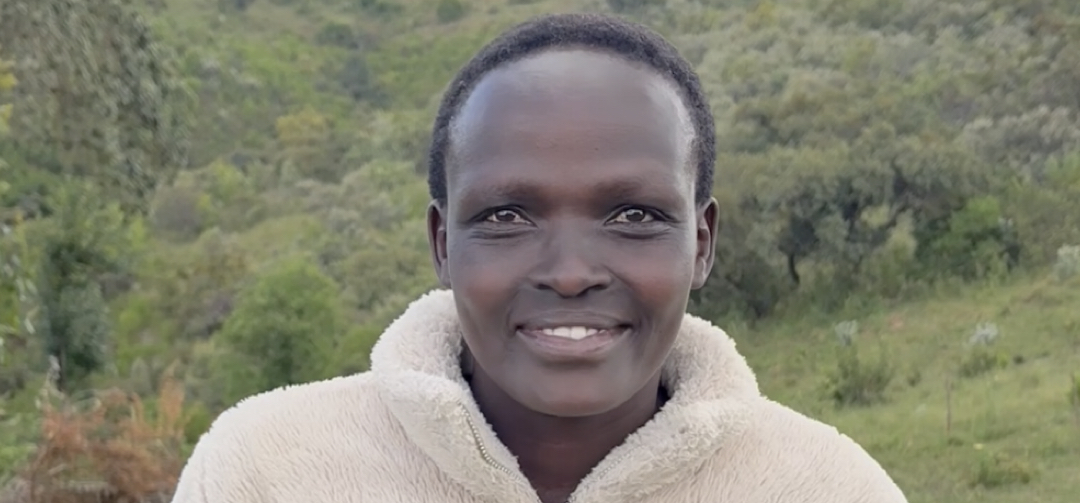
Rose Ngeny, Endorois youth participant in Revitalize the Roots and Primary teacher
When we visited Keon Primary School, in Baringo County, Kenya, we met some of the extraordinary Endorois elders and youth behind Revitalize the Roots: Bikaptorois, an initiative by Jamii Asilia Centre that is reconnecting Endorois generations through the preservation and transmission of their own traditional knowledge.
In the video, you will hear from both Endorois elders and youth, who have spent the last few years sitting together to rebuild powerful intergenerational bonds, alongside teachers and community members who tell us about the ways the project is now finding its way into classrooms and homes.
Memory and tradition, but also governance and respect. This project has been so much more than the creation of an archive.
We release this video in a week marked by loss for the Endorois community. Mzee Richard Arap Yegon, a tireless advocate for Endorois land and dignity, custodian of his people’s culture, and one of the driving forces behind the landmark Endorois Case, has passed away. We share in the grief of his family and of the entire Endorois nation.
The work in this video is, in many ways, an answer to everything Mzee Yegon fought for.
Manual English subtitles available: select directly in Youtube video definitions.
TRANSCRIPTION
For the Endorois People, the loss of ancestral land around Lake Bogoria — seized by the government in 1973 to create a national game reserve — began a slow erosion of the knowledge systems that had held the community together for centuries.
The pressures that followed include Western schools labelling traditional practices as backward and elder councils losing their authority. Also, rising lake waters are currently submerging parts of the Endorois territory, taking with them sacred sites and ecological markers that anchored community life.
Jamii Asilia Centre, an Endorois organization, responded with the project Revitalize the Roots: Bikaptorois, a partnership with Global Wisdom Collective. Azimuth World Foundation has been a proud supporter since 2022.
By bringing elders and young people into wide-ranging conversations, and carefully documenting, preserving, and transmitting this heritage, Revitalize the Roots has become a true engine of Endorois social cohesion. For the Endorois, cultural knowledge is not meant to be an archive. It is governance: the protocols, relationships, and understanding of land through which the community organises itself.
Therefore, to revitalize that knowledge is to restore the conditions for self-determination.
We visited Keon village in Baringo County to meet some of the elders and youth who have made Revitalize the Roots so special.
IMG_6443
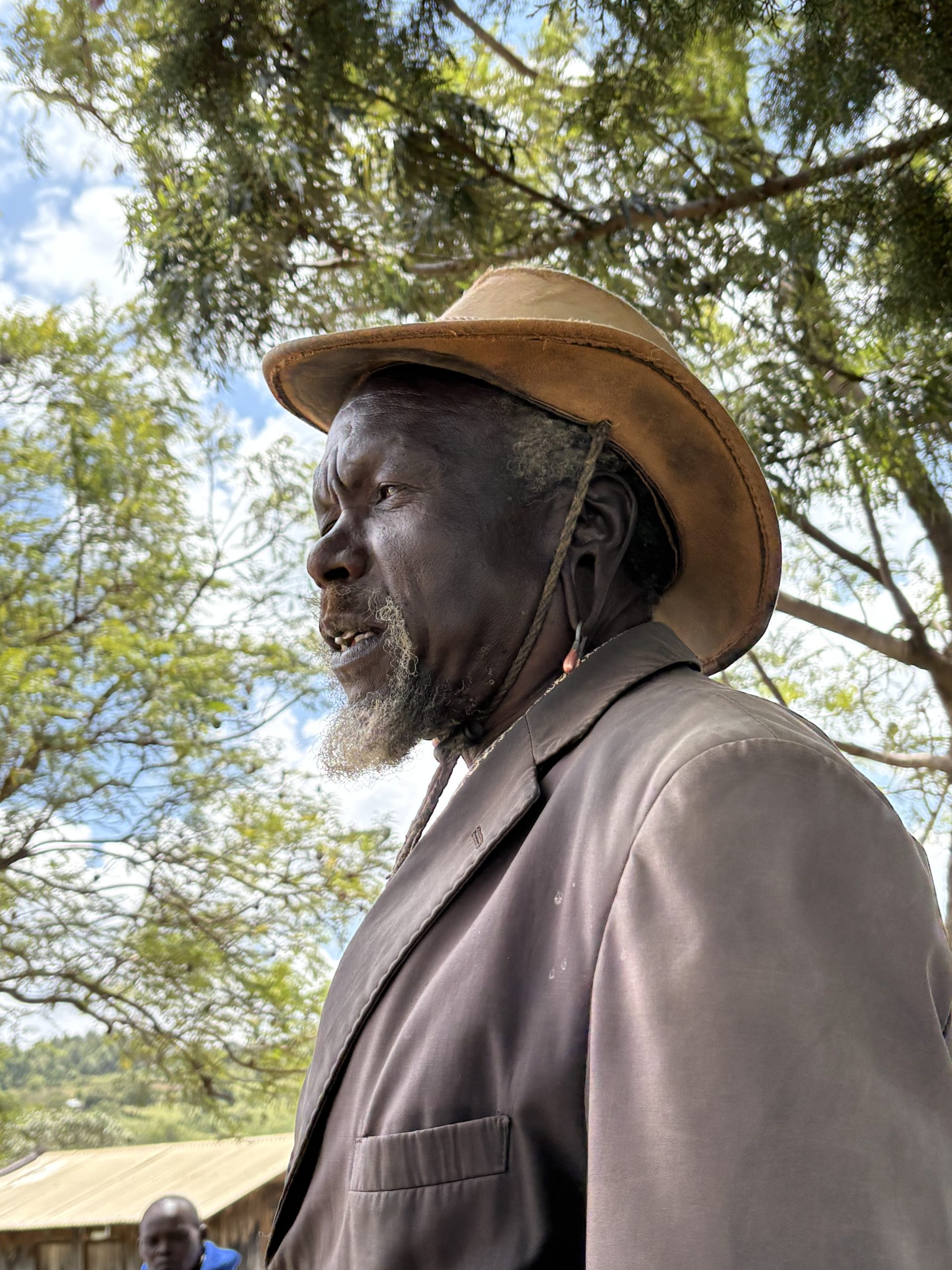
Endorois elder in meeting at Keon Primary School
ENDOROIS ELDER
I accepted because I wanted the kids to learn our history. Knowledge was being lost, especially taboos. The children started despising the ways of the old and concentrated a lot on Western education. When the youth participants started asking us questions, we also started giving answers about how things used to be.
IMG_6421
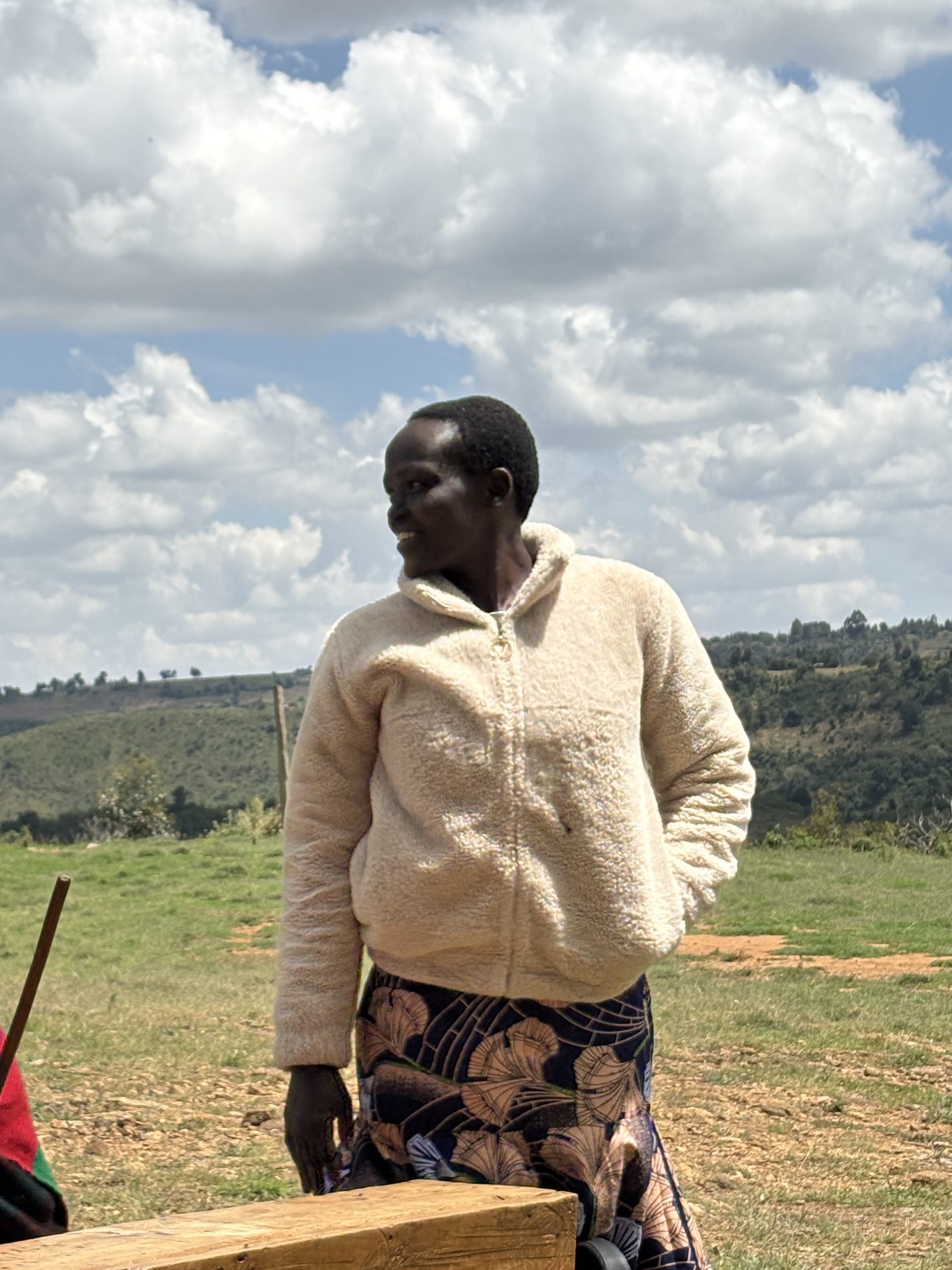
Rose Ngeny in meeting at Keon Primary School
ROSE NGENY
My name is Rose Ngeny. I’m a teacher. Trained. I teach at Mochongoi Primary.
I participated in this project, going to the community, going to the elders, getting some knowledge from them. And through it, I’ve learned a lot. It has reminded me so much about my culture, my People, my originality, my indigeneity, and all that concerns our community.
My learners will be able to articulate issues from their communities. They will be able to appreciate their culture, even at school. For them, learning their culture helps them see themselves as part of the community.
IMG_6473
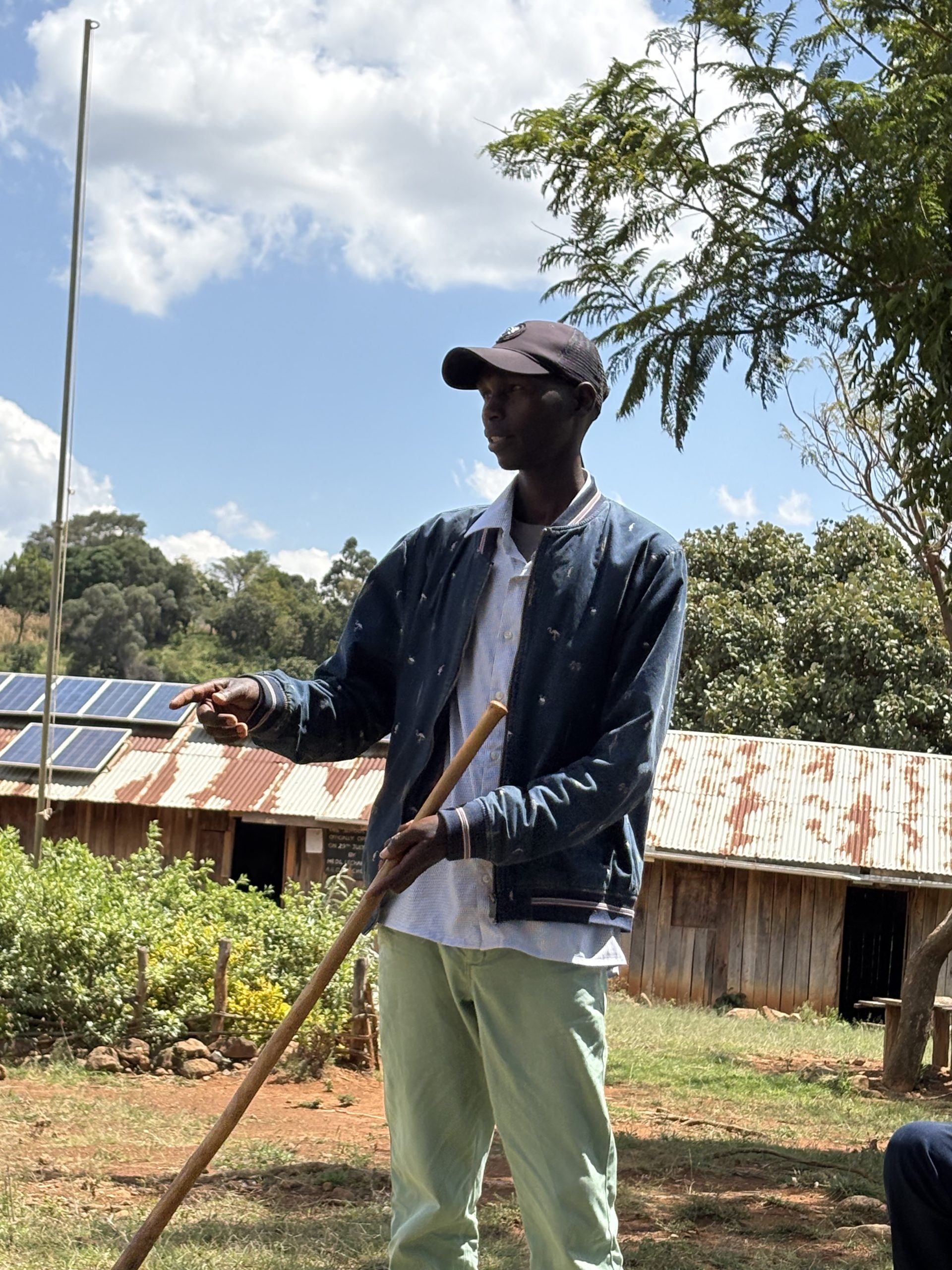
Rodgers Kibet in meeting at Keon Primary School
RODGERS KIBET
My name is Rodgers Kibet. I come from this place, but the far end, on the other side, called Kimariot. I am part of the Jamii Asilia program. I am a community journalist, and also a journalist by profession.
The first time I went to record with my elder, the elder welcomed me so well. He told me: “It’s important that you have come. There are some things that I had decided not to tell anyone, because of the Western culture and schools. So now that you have come, I will tell you everything.” So he was open. He told me everything about the Endorois, and he was happy to tell me everything.
Now that this project has come, it is going now to the roots. It is going to everyone who is an Endorois. Those people who have forgotten it are now getting it and reviving it, and coming in a very strong way. The Endorois is now coming back.
What the Endorois elders shared with the youth cohort was a living system, not just an account of the past. They shared land-use protocols, sacred sites, rules governing relationships and conflict, ecological indicators for drought and rainfall, and the social structures through which communities once governed themselves and cared for their environment.
By reconnecting with this knowledge, families are reconnecting with each other. Powerful bonds are being rebuilt across generations, rooted in respect and mutual care.
In later phases of the project, the knowledge gathered by the youth cohort began moving into schools. At Keon Primary School, a heritage club is now being established, bringing Endorois cultural knowledge directly into the classroom.
Screenshot
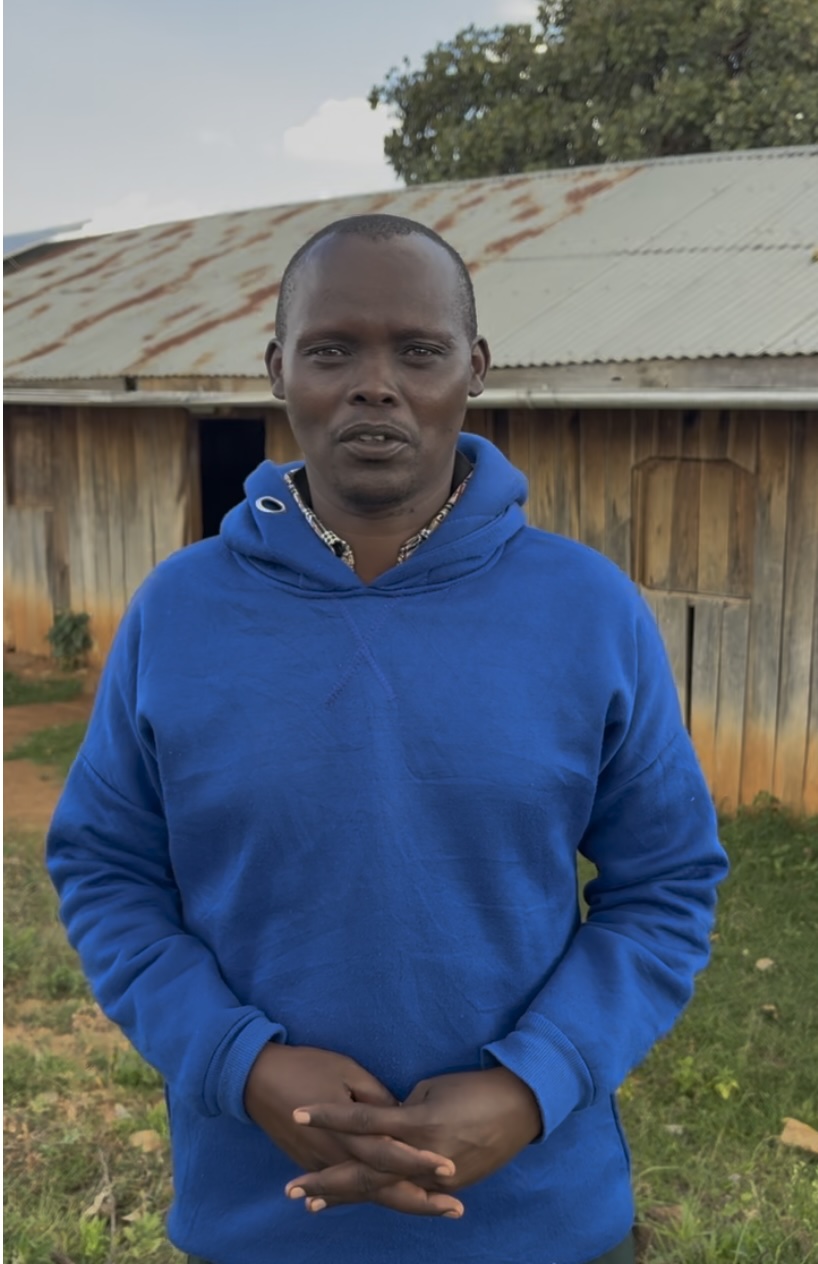
Alfred Kaptai, ECT teacher at Keon Primary School
ALFRED KAPTAI
My name is Alfred Kaptai. I am Endorois. I am an ECT teacher in this Keon school.
We have a heritage club in this school. I am very much happy for bringing this project of cultural activities to this school.
This project, it will foster the memory of the learners. The importance of these learners learning the Endorois culture, it is so important. The learners, they will not forget their first community’s culture, because as they learn and proceed their learning to higher levels, they will not forget what they have learned in early ages.
We also spoke with Harrison, whose mother was one of the elders who participated in Revitalize the Roots. We asked him how the project had changed his perception of what she knew, and what he had never thought to ask.
IMG_6395
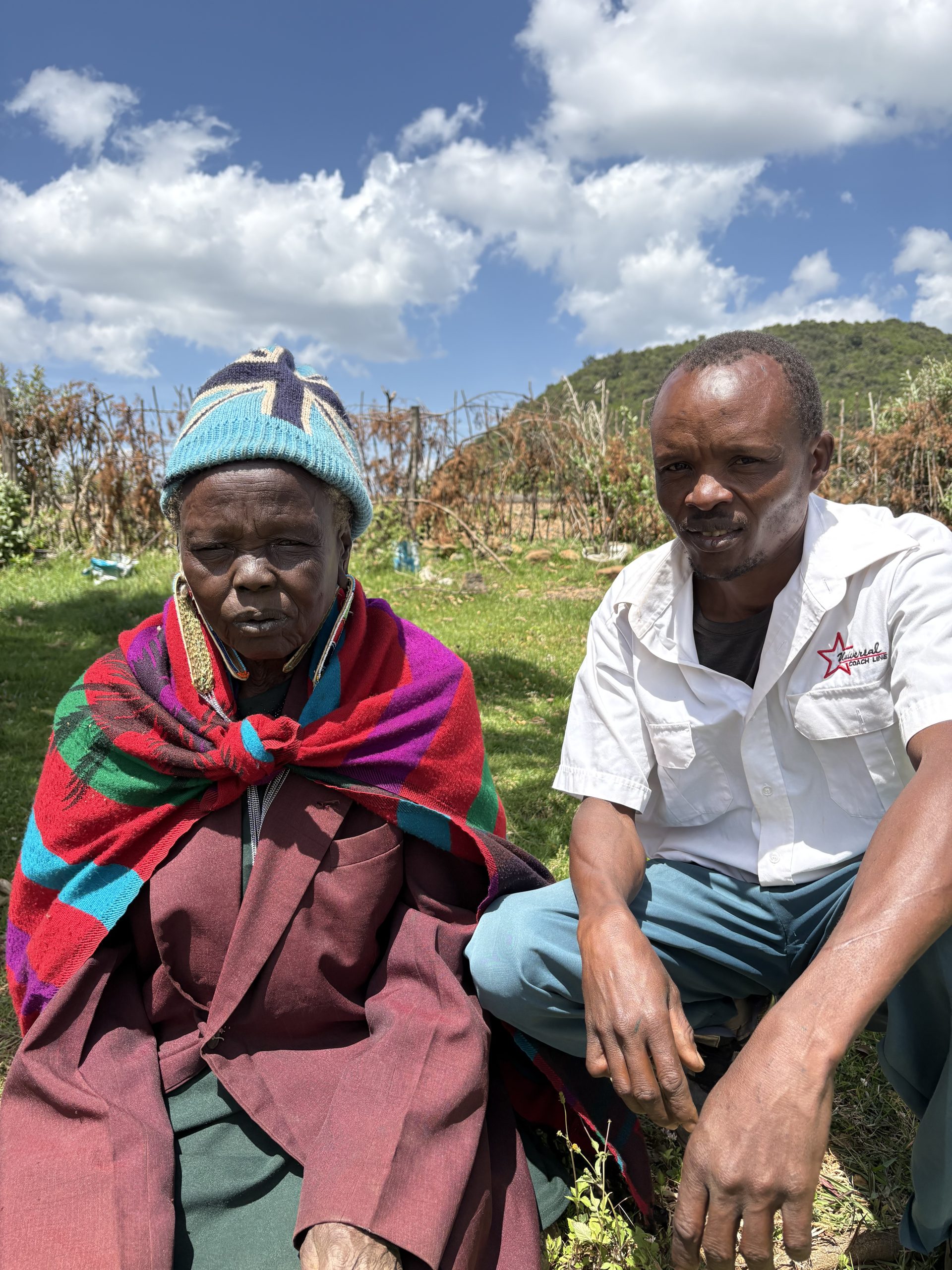
Harrison Kurkatsarem with his mother, one of the elders who participated in Revitalize the Roots
HARRISON KURKATSAREM
My mother was telling a story of how our life in the past, how it was. And they were very wonderful stories that she gave us. The way they were behaving and the way they were living their lives at that time.
I didn’t know, and I’m the one who cares about her. But I hadn’t even asked some questions like that. I was surprised about the way people were dressing or wearing their tradition. Even the stories about the way that our area was.
We were almost forgetting our tradition. So they have reminded us to go back again and pick it.
What Revitalize the Roots has done is much more important than just documenting or archiving. It has created the conditions for remembering — not as nostalgia, but as the foundation for governance, identity, and community life.
Azimuth World Foundation is honoured to support Jamii Asilia Centre in this work, and to stand alongside the Endorois community as they carry their knowledge forward on their own terms.
Share

Meeting Endorois elders and youth from the Revitalize the Roots project by Jamii Asilia Centre
JamiiAsilia_RtRInterviews_PostCover.001
Rose Ngeny, Endorois youth participant in Revitalize the Roots and Primary teacher
When we visited Keon Primary School, in Baringo County, Kenya, we met some of the extraordinary Endorois elders and youth behind Revitalize the Roots: Bikaptorois, an initiative by Jamii Asilia Centre that is reconnecting Endorois generations through the preservation and transmission of their own traditional knowledge.
In the video, you will hear from both Endorois elders and youth, who have spent the last few years sitting together to rebuild powerful intergenerational bonds, alongside teachers and community members who tell us about the ways the project is now finding its way into classrooms and homes.
Memory and tradition, but also governance and respect. This project has been so much more than the creation of an archive.
We release this video in a week marked by loss for the Endorois community. Mzee Richard Arap Yegon, a tireless advocate for Endorois land and dignity, custodian of his people’s culture, and one of the driving forces behind the landmark Endorois Case, has passed away. We share in the grief of his family and of the entire Endorois nation.
The work in this video is, in many ways, an answer to everything Mzee Yegon fought for.
Manual English subtitles available: select directly in Youtube video definitions.
TRANSCRIPTION
For the Endorois People, the loss of ancestral land around Lake Bogoria — seized by the government in 1973 to create a national game reserve — began a slow erosion of the knowledge systems that had held the community together for centuries.
The pressures that followed include Western schools labelling traditional practices as backward and elder councils losing their authority. Also, rising lake waters are currently submerging parts of the Endorois territory, taking with them sacred sites and ecological markers that anchored community life.
Jamii Asilia Centre, an Endorois organization, responded with the project Revitalize the Roots: Bikaptorois, a partnership with Global Wisdom Collective. Azimuth World Foundation has been a proud supporter since 2022.
By bringing elders and young people into wide-ranging conversations, and carefully documenting, preserving, and transmitting this heritage, Revitalize the Roots has become a true engine of Endorois social cohesion. For the Endorois, cultural knowledge is not meant to be an archive. It is governance: the protocols, relationships, and understanding of land through which the community organises itself.
Therefore, to revitalize that knowledge is to restore the conditions for self-determination.
We visited Keon village in Baringo County to meet some of the elders and youth who have made Revitalize the Roots so special.
IMG_6443
Endorois elder in meeting at Keon Primary School
ENDOROIS ELDER
I accepted because I wanted the kids to learn our history. Knowledge was being lost, especially taboos. The children started despising the ways of the old and concentrated a lot on Western education. When the youth participants started asking us questions, we also started giving answers about how things used to be.
IMG_6421
Rose Ngeny in meeting at Keon Primary School
ROSE NGENY
My name is Rose Ngeny. I’m a teacher. Trained. I teach at Mochongoi Primary.
I participated in this project, going to the community, going to the elders, getting some knowledge from them. And through it, I’ve learned a lot. It has reminded me so much about my culture, my People, my originality, my indigeneity, and all that concerns our community.
My learners will be able to articulate issues from their communities. They will be able to appreciate their culture, even at school. For them, learning their culture helps them see themselves as part of the community.
IMG_6473
Rodgers Kibet in meeting at Keon Primary School
RODGERS KIBET
My name is Rodgers Kibet. I come from this place, but the far end, on the other side, called Kimariot. I am part of the Jamii Asilia program. I am a community journalist, and also a journalist by profession.
The first time I went to record with my elder, the elder welcomed me so well. He told me: “It’s important that you have come. There are some things that I had decided not to tell anyone, because of the Western culture and schools. So now that you have come, I will tell you everything.” So he was open. He told me everything about the Endorois, and he was happy to tell me everything.
Now that this project has come, it is going now to the roots. It is going to everyone who is an Endorois. Those people who have forgotten it are now getting it and reviving it, and coming in a very strong way. The Endorois is now coming back.
What the Endorois elders shared with the youth cohort was a living system, not just an account of the past. They shared land-use protocols, sacred sites, rules governing relationships and conflict, ecological indicators for drought and rainfall, and the social structures through which communities once governed themselves and cared for their environment.
By reconnecting with this knowledge, families are reconnecting with each other. Powerful bonds are being rebuilt across generations, rooted in respect and mutual care.
In later phases of the project, the knowledge gathered by the youth cohort began moving into schools. At Keon Primary School, a heritage club is now being established, bringing Endorois cultural knowledge directly into the classroom.
Screenshot
Alfred Kaptai, ECT teacher at Keon Primary School
ALFRED KAPTAI
My name is Alfred Kaptai. I am Endorois. I am an ECT teacher in this Keon school.
We have a heritage club in this school. I am very much happy for bringing this project of cultural activities to this school.
This project, it will foster the memory of the learners. The importance of these learners learning the Endorois culture, it is so important. The learners, they will not forget their first community’s culture, because as they learn and proceed their learning to higher levels, they will not forget what they have learned in early ages.
We also spoke with Harrison, whose mother was one of the elders who participated in Revitalize the Roots. We asked him how the project had changed his perception of what she knew, and what he had never thought to ask.
IMG_6395
Harrison Kurkatsarem with his mother, one of the elders who participated in Revitalize the Roots
HARRISON KURKATSAREM
My mother was telling a story of how our life in the past, how it was. And they were very wonderful stories that she gave us. The way they were behaving and the way they were living their lives at that time.
I didn’t know, and I’m the one who cares about her. But I hadn’t even asked some questions like that. I was surprised about the way people were dressing or wearing their tradition. Even the stories about the way that our area was.
We were almost forgetting our tradition. So they have reminded us to go back again and pick it.
What Revitalize the Roots has done is much more important than just documenting or archiving. It has created the conditions for remembering — not as nostalgia, but as the foundation for governance, identity, and community life.
Azimuth World Foundation is honoured to support Jamii Asilia Centre in this work, and to stand alongside the Endorois community as they carry their knowledge forward on their own terms.
Share


