





Connecting the Dots with Elvis Guerra
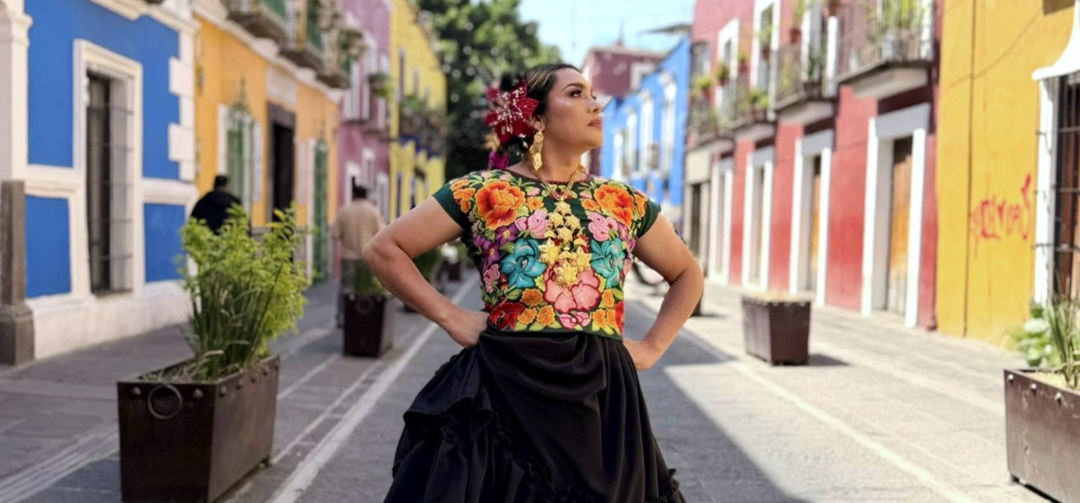
A conversation with the muxe poet, translator, activist and artisan on identity, tradition, and the political weight of telling your own story.
The Zapotec people of southern Mexico have long recognized more than two genders. In Juchitán, in the state of Oaxaca, a person born with a male body who lives a feminine identity and role in the community is called muxe. This is not a “third gender” in the Western sense, but a distinct identity, rooted in Zapotec culture, that predates and exceeds any category borrowed from the outside world.
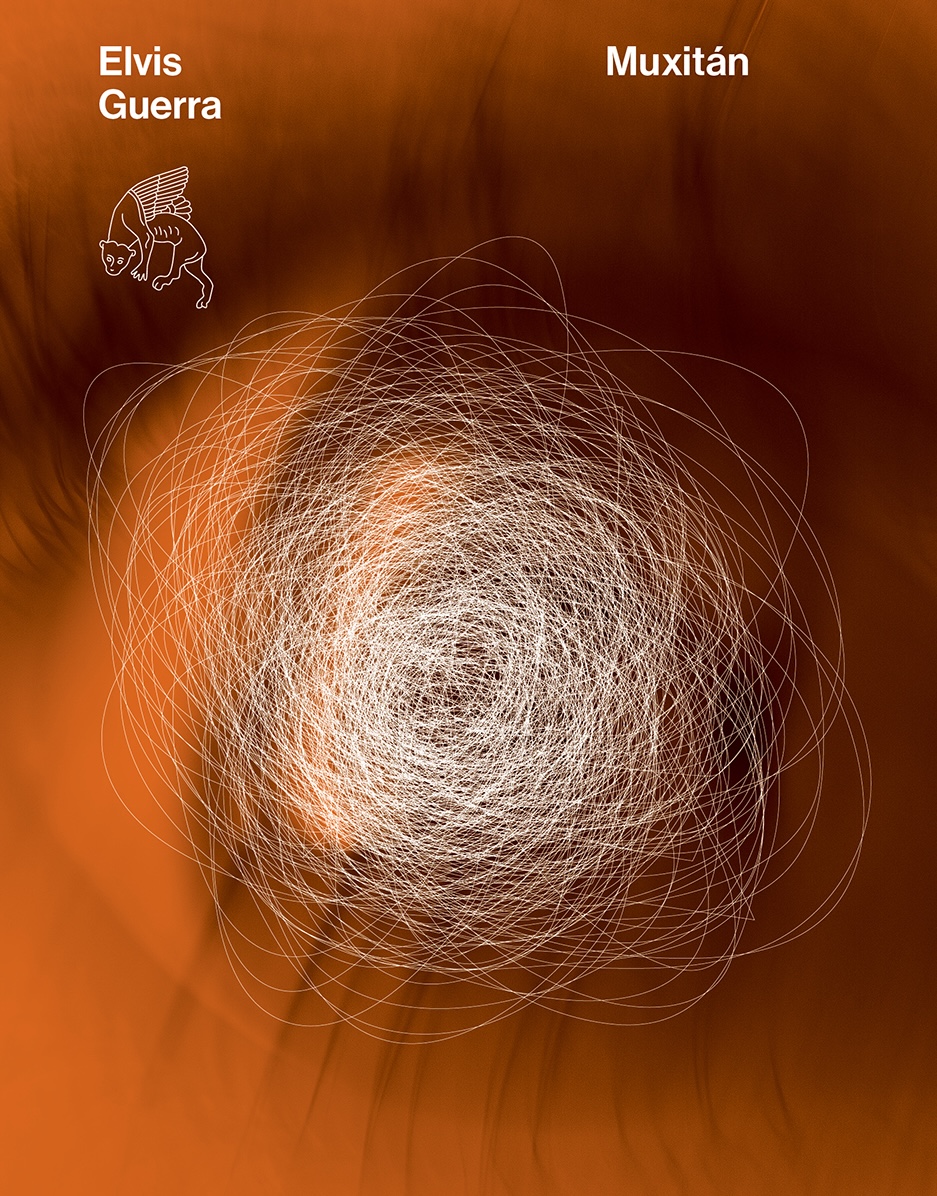
Elvis Guerra was born in Juchitán in 1993. She is a muxe poet, translator, activist and artisan. Her three poetry collections, including Ramonera and Muxitán, are a true showcase of her raw, political art, and have taken Elvis around the world to speak about the lived realities of being muxe.
We met Elvis at the FOLIO literary festival in Óbidos, Portugal, for an inspiring conversation.
Play the video version below (English subtitles available), or scroll down for the podcast version (dubbed in English) and for the English transcript.
CONNECTING THE DOTS – PODCAST
Are you a podcast fan? Make sure you subscribe to the podcast version of our Connecting the Dots series here.
TRANSCRIPT
BEING MUXE | IDENTITY & POLITICAL STANCE
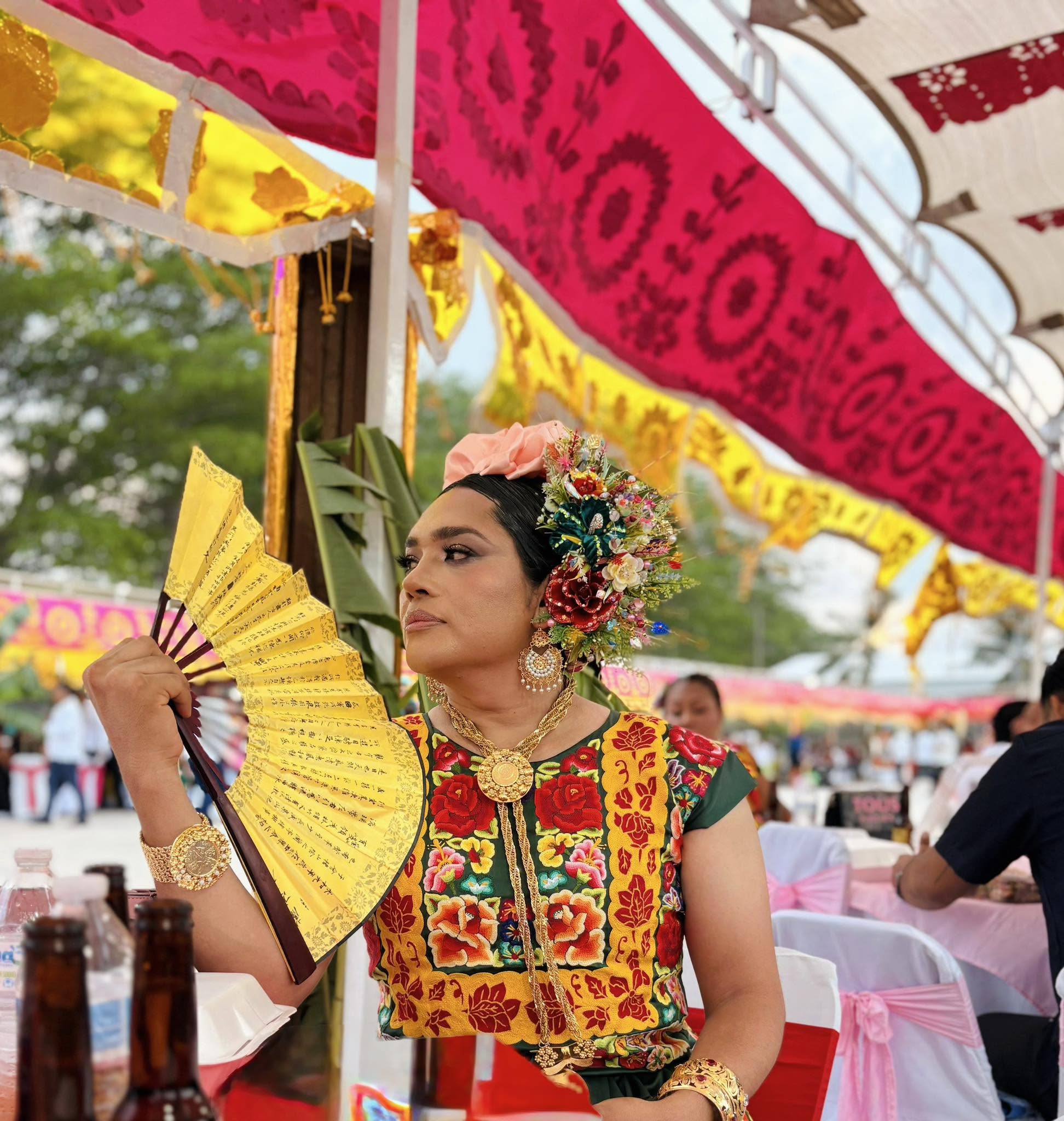
Zapotec culture encompasses several identities, and one of these is the muxe identity. Zapotec culture and muxe coexist in the same space. It is a struggle that we cannot separate. Defending muxe goes hand in hand with defending my identity as a people, as a community, and as a member of the Zapotec nation.
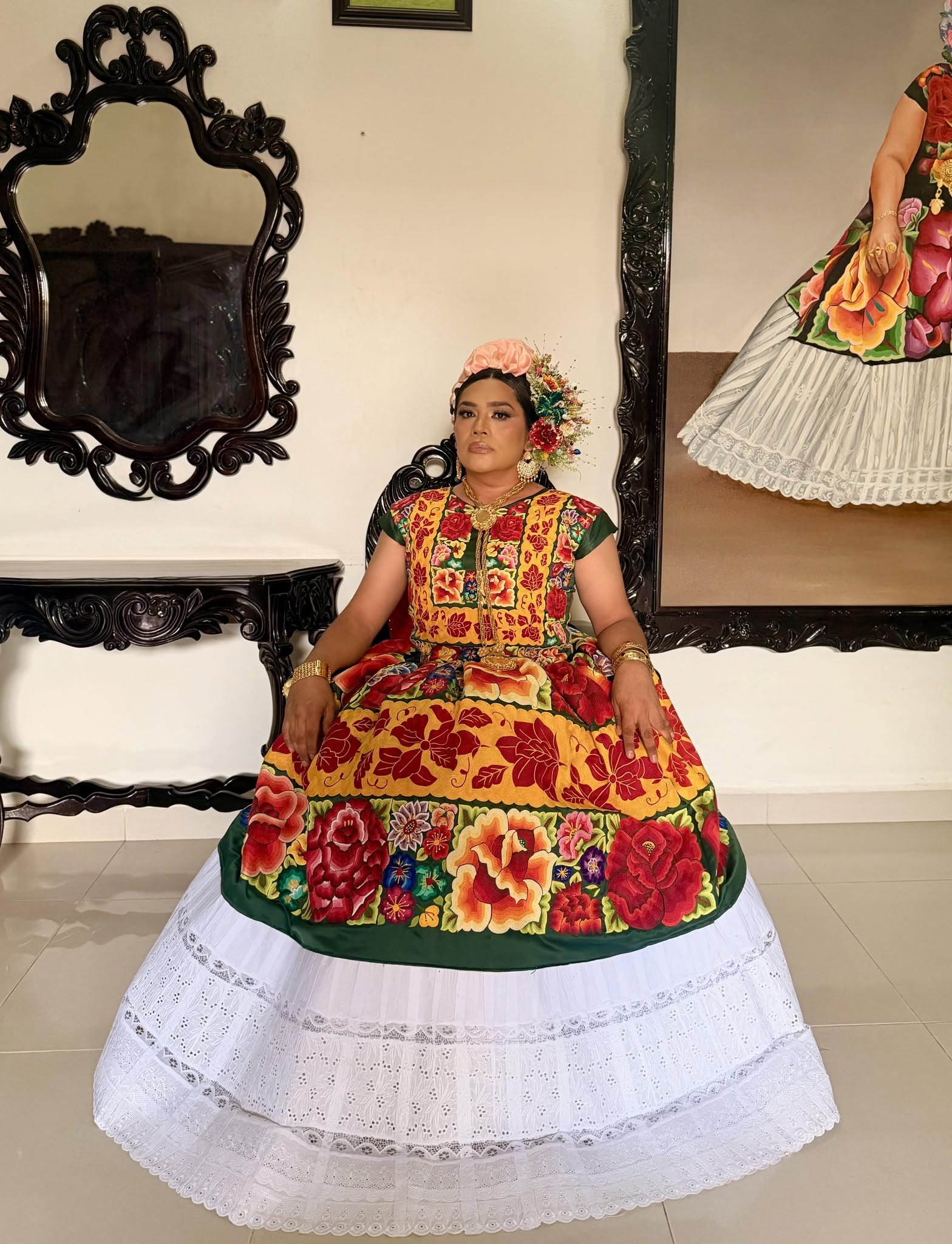
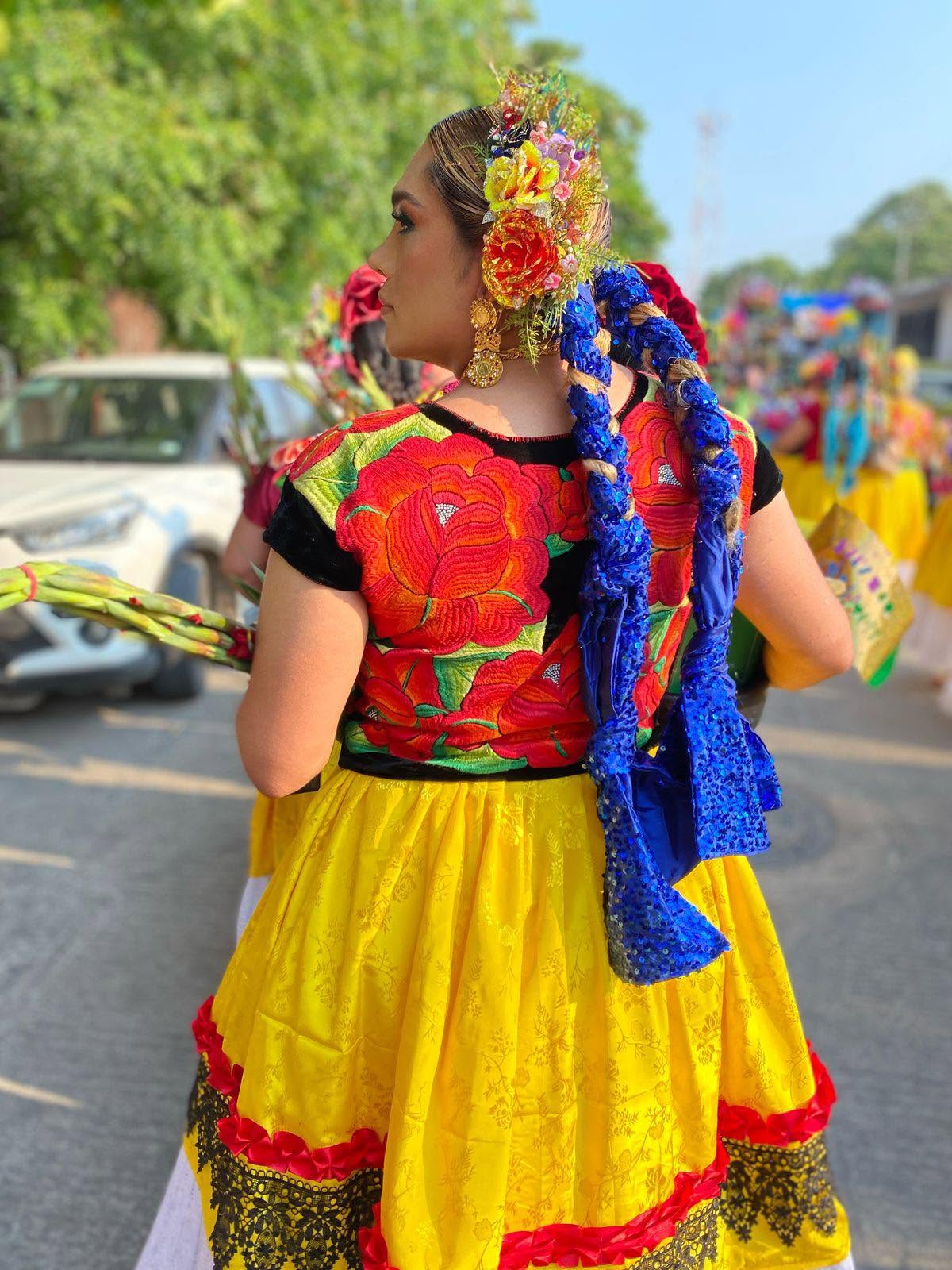
And so the muxe identity is also tied to the territory, to a geographical space, to the language, and it is also expressed through clothing. Being muxe means taking a political stance. We speak our mother tongue, which is Zapotec, didxazá. We wear our beautiful traditional costumes, which are like a second skin to us.
But beyond that, we exercise our sexuality and live it in a dissident way. This gives us a dissident sexual, gender, and cultural identity, and places us in a different position from the rest of the community. And that is why the muxe struggle is also a struggle for identity.
Ramonera_K-H_422d8a49-ee61-478d-a5b8-5803d27ef13e_grande.jpg
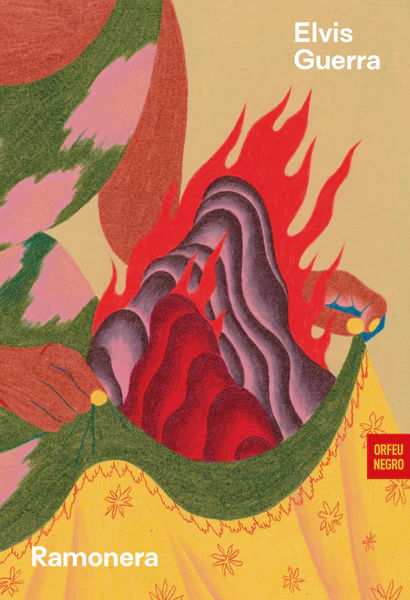
“Ramonera” Portuguese edition, published by Orfeu Negro
FROM THE DOMESTIC TO THE CREATIVE | BEYOND ROMANTICIZATION
All documentaries that have been made about muxes romanticize us. They view us as if we were objects of study. But we are subjects with rights. And what I’ve seen is that they paint a picture that isn’t entirely accurate.
There are certain topics I’d like to see addressed in documentaries, such as sexuality. How we experience our sexuality differently.
Or, for example, that there’s an acceptance of muxes out of convenience, because in the end, we muxes are the ones who take care of our parents, who care for them as they grow old, and when they die. But no one talks about the loneliness a muxe experiences when her parents die, right?
When I say we have to speak for ourselves, I mean: we have to speak for ourselves through poetry, music, art, painting, photography, and dance. That is, through all forms of artistic expression. Because it seems as though we’re only good cooks, good embroiderers, good makeup artists, and good seamstresses.
But it also seems as though we aren’t allowed to dream. As if we were forbidden to have aspirations, or to want to be artists, or to want to excel. And so I believe we have to move from the domestic to the creative. And that’s the challenge.
IMG_4996
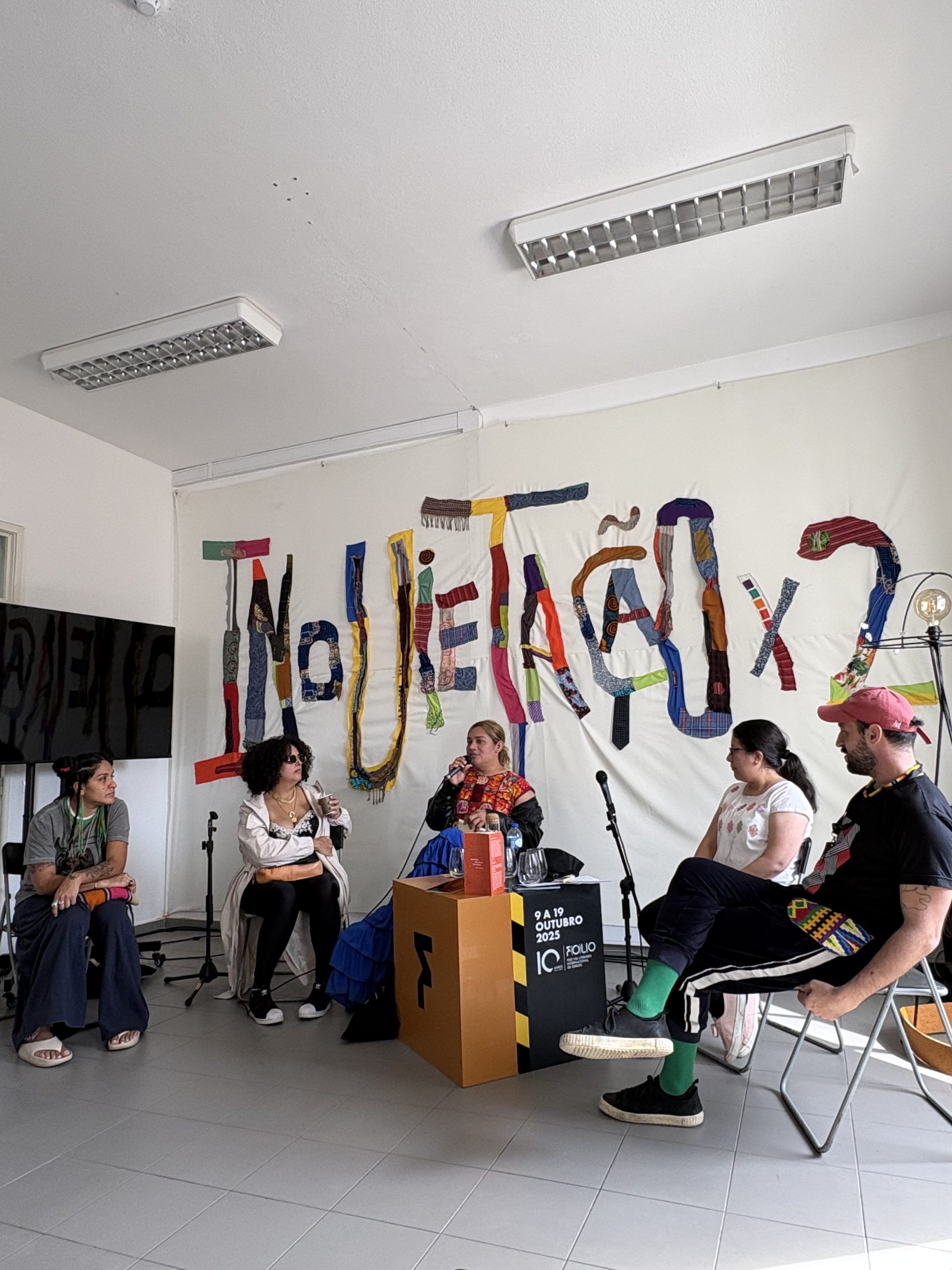
Elvis Guerra at the Folio Festival, in Óbidos, Portugal
I hope that in a few years there will be more muxes writing poetry, making music, and rapping in our language to denounce the problems facing the muxe community. These are the issues that don’t appear in documentaries: hate crimes, murders, gender-based discrimination, school dropout rates among underage muxes, and health issues related to HIV/AIDS. Deaths from asphyxiation caused by injecting biopolymers. Sex work as the only source of employment.
In other words, we have to address these issues we’re facing—the muxe reality—and not just the glamour that comes with it. This is the glamour. But what do I have to do to get there, right? And that’s what we have to address.
3001000036225-1686342059-955
“Muxitán”, published by UNAM in Mexico
DISTINCTLY INDIGENOUS | GENDER IN ZAPOTEC CULTURE
I think there’s been a long-standing attempt to squeeze us into the LGBTTIQ+ acronym. If anything, it should be MLGBTTIQ+. Because the muxe identity predates the LGBT movement.
The Zapotec muxe community of Juchitán has a history of struggle. Our history has been shaped by the fight for respect and recognition of the muxe community’s most basic rights, such as the right to life.
It began as a struggle that has now become an annual celebration, where a queen is crowned and the event takes the form of a traditional Zapotec festival. But for the muxe community, it’s a way for us to share this with the rest of the world.
And so I believe we need to discuss sexually non-conforming Indigenous identities as a separate issue. And if they want to force us into Western categories, it simply isn’t possible, because we experience sexuality differently.
For us, there are no bisexuals, no pansexuals; there are men, women, muxes, and nguiu. These are the four gender identities. So, if I’m talking to you about a different sexual structure, a different way of experiencing sexuality, why would we have to conform to the Western world?
They say we’re a third gender, so I’d speak of a fourth gender—the nguiu. They’ve been rendered invisible. I actually believe that we are another gender, a gender of our own. Not a third, not a first, not a second, not a fourth. Because order doesn’t exist. Order doesn’t matter when it comes to defending yourself and your identity.
PRESERVING & BREAKING TRADITION | A DUAL SPIRIT OUTLOOK
The words “tradition” [tradición] and “betrayal” [traición] share the same etymological root. So we say that the word “tradition” implies a constant betrayal.
I defend my identity. Not the traditional one, but my own. And what are we breaking by doing that? We’re breaking the notion that muxes are destined solely for domestic work—that that’s traditional. And I say, no, I don’t like that tradition. And so I want to dare to break it.
“Muxes aren’t allowed to study; they aren’t allowed to go to school. Why do they aspire to more?” I broke that tradition, and I pursued a college degree. “A muxe shouldn’t govern; she shouldn’t aspire to public office.” I don’t aspire to public office, but I’d like to see a muxe dare to hold public office.
In other words, we have the capacity. We are human beings. We have intelligence. But we also have the sensitivity of women. And this duality that coexists within us, in our spirit, leads me to agree with what a priest, Fray Juan de Córdoba, said in the 16th century, defining the word “muxe” as “a person with two souls or two spirits.” And yes, I believe we embody that duality. Yes, I believe that these two entities coexist within us. On the one hand, we have a woman’s sensitivity, and on the other, we have this desire to break with that tradition.
Share

Connecting the Dots with Elvis Guerra
A conversation with the muxe poet, translator, activist and artisan on identity, tradition, and the political weight of telling your own story.
The Zapotec people of southern Mexico have long recognized more than two genders. In Juchitán, in the state of Oaxaca, a person born with a male body who lives a feminine identity and role in the community is called muxe. This is not a “third gender” in the Western sense, but a distinct identity, rooted in Zapotec culture, that predates and exceeds any category borrowed from the outside world.
Elvis Guerra was born in Juchitán in 1993. She is a muxe poet, translator, activist and artisan. Her three poetry collections, including Ramonera and Muxitán, are a true showcase of her raw, political art, and have taken Elvis around the world to speak about the lived realities of being muxe.
We met Elvis at the FOLIO literary festival in Óbidos, Portugal, for an inspiring conversation.
Play the video version below (English subtitles available), or scroll down for the podcast version (dubbed in English) and for the English transcript.
CONNECTING THE DOTS – PODCAST
Are you a podcast fan? Make sure you subscribe to the podcast version of our Connecting the Dots series here.
TRANSCRIPT
BEING MUXE | IDENTITY & POLITICAL STANCE
Zapotec culture encompasses several identities, and one of these is the muxe identity. Zapotec culture and muxe coexist in the same space. It is a struggle that we cannot separate. Defending muxe goes hand in hand with defending my identity as a people, as a community, and as a member of the Zapotec nation.
And so the muxe identity is also tied to the territory, to a geographical space, to the language, and it is also expressed through clothing. Being muxe means taking a political stance. We speak our mother tongue, which is Zapotec, didxazá. We wear our beautiful traditional costumes, which are like a second skin to us.
But beyond that, we exercise our sexuality and live it in a dissident way. This gives us a dissident sexual, gender, and cultural identity, and places us in a different position from the rest of the community. And that is why the muxe struggle is also a struggle for identity.
Ramonera_K-H_422d8a49-ee61-478d-a5b8-5803d27ef13e_grande.jpg
“Ramonera” Portuguese edition, published by Orfeu Negro
FROM THE DOMESTIC TO THE CREATIVE | BEYOND ROMANTICIZATION
All documentaries that have been made about muxes romanticize us. They view us as if we were objects of study. But we are subjects with rights. And what I’ve seen is that they paint a picture that isn’t entirely accurate.
There are certain topics I’d like to see addressed in documentaries, such as sexuality. How we experience our sexuality differently.
Or, for example, that there’s an acceptance of muxes out of convenience, because in the end, we muxes are the ones who take care of our parents, who care for them as they grow old, and when they die. But no one talks about the loneliness a muxe experiences when her parents die, right?
When I say we have to speak for ourselves, I mean: we have to speak for ourselves through poetry, music, art, painting, photography, and dance. That is, through all forms of artistic expression. Because it seems as though we’re only good cooks, good embroiderers, good makeup artists, and good seamstresses.
But it also seems as though we aren’t allowed to dream. As if we were forbidden to have aspirations, or to want to be artists, or to want to excel. And so I believe we have to move from the domestic to the creative. And that’s the challenge.
IMG_4996
Elvis Guerra at the Folio Festival, in Óbidos, Portugal
I hope that in a few years there will be more muxes writing poetry, making music, and rapping in our language to denounce the problems facing the muxe community. These are the issues that don’t appear in documentaries: hate crimes, murders, gender-based discrimination, school dropout rates among underage muxes, and health issues related to HIV/AIDS. Deaths from asphyxiation caused by injecting biopolymers. Sex work as the only source of employment.
In other words, we have to address these issues we’re facing—the muxe reality—and not just the glamour that comes with it. This is the glamour. But what do I have to do to get there, right? And that’s what we have to address.
3001000036225-1686342059-955
“Muxitán”, published by UNAM in Mexico
DISTINCTLY INDIGENOUS | GENDER IN ZAPOTEC CULTURE
I think there’s been a long-standing attempt to squeeze us into the LGBTTIQ+ acronym. If anything, it should be MLGBTTIQ+. Because the muxe identity predates the LGBT movement.
The Zapotec muxe community of Juchitán has a history of struggle. Our history has been shaped by the fight for respect and recognition of the muxe community’s most basic rights, such as the right to life.
It began as a struggle that has now become an annual celebration, where a queen is crowned and the event takes the form of a traditional Zapotec festival. But for the muxe community, it’s a way for us to share this with the rest of the world.
And so I believe we need to discuss sexually non-conforming Indigenous identities as a separate issue. And if they want to force us into Western categories, it simply isn’t possible, because we experience sexuality differently.
For us, there are no bisexuals, no pansexuals; there are men, women, muxes, and nguiu. These are the four gender identities. So, if I’m talking to you about a different sexual structure, a different way of experiencing sexuality, why would we have to conform to the Western world?
They say we’re a third gender, so I’d speak of a fourth gender—the nguiu. They’ve been rendered invisible. I actually believe that we are another gender, a gender of our own. Not a third, not a first, not a second, not a fourth. Because order doesn’t exist. Order doesn’t matter when it comes to defending yourself and your identity.
PRESERVING & BREAKING TRADITION | A DUAL SPIRIT OUTLOOK
The words “tradition” [tradición] and “betrayal” [traición] share the same etymological root. So we say that the word “tradition” implies a constant betrayal.
I defend my identity. Not the traditional one, but my own. And what are we breaking by doing that? We’re breaking the notion that muxes are destined solely for domestic work—that that’s traditional. And I say, no, I don’t like that tradition. And so I want to dare to break it.
“Muxes aren’t allowed to study; they aren’t allowed to go to school. Why do they aspire to more?” I broke that tradition, and I pursued a college degree. “A muxe shouldn’t govern; she shouldn’t aspire to public office.” I don’t aspire to public office, but I’d like to see a muxe dare to hold public office.
In other words, we have the capacity. We are human beings. We have intelligence. But we also have the sensitivity of women. And this duality that coexists within us, in our spirit, leads me to agree with what a priest, Fray Juan de Córdoba, said in the 16th century, defining the word “muxe” as “a person with two souls or two spirits.” And yes, I believe we embody that duality. Yes, I believe that these two entities coexist within us. On the one hand, we have a woman’s sensitivity, and on the other, we have this desire to break with that tradition.
Share


