





Connecting the Dots with Felipe Borman
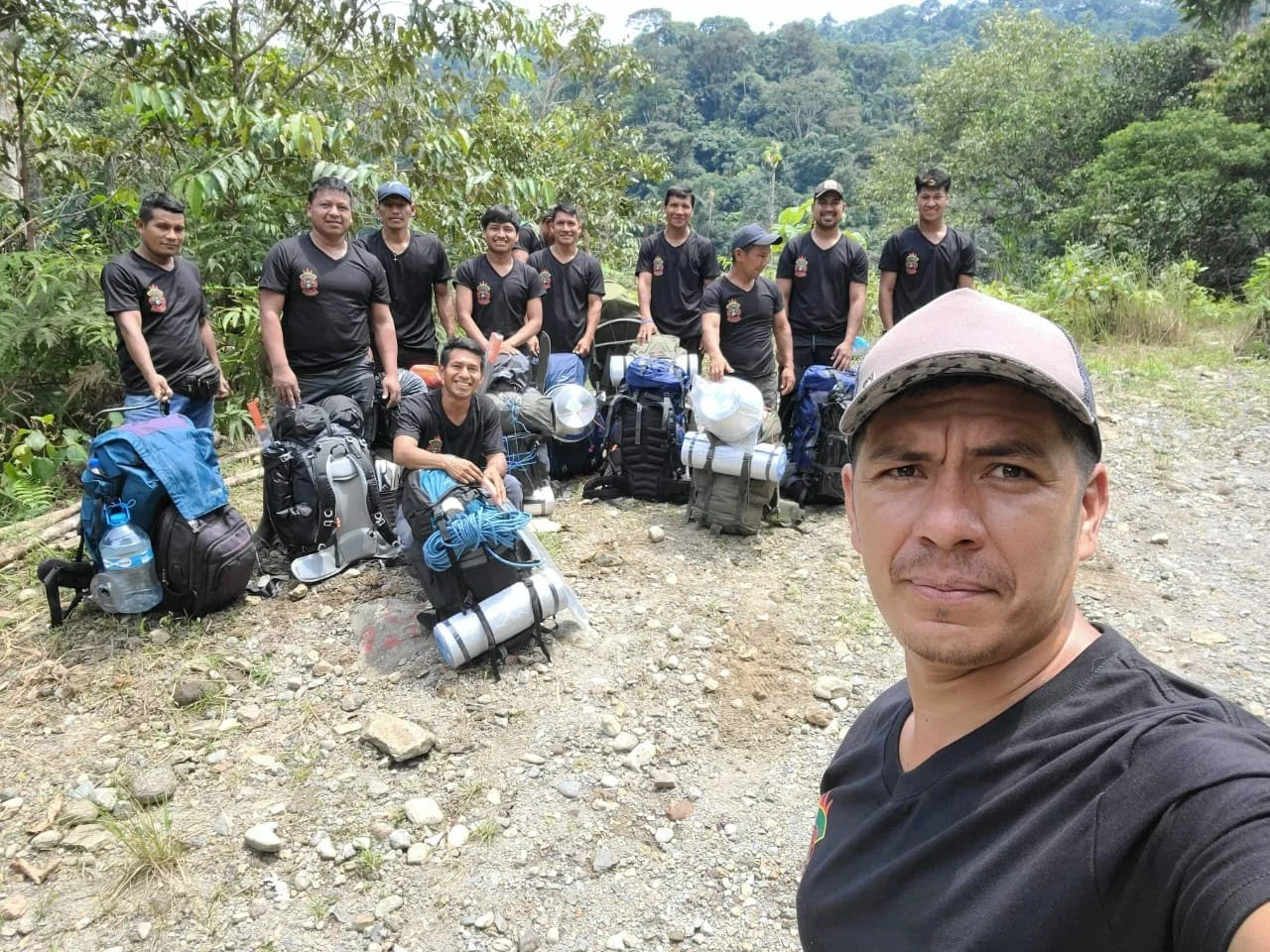
FelipePark.jpeg
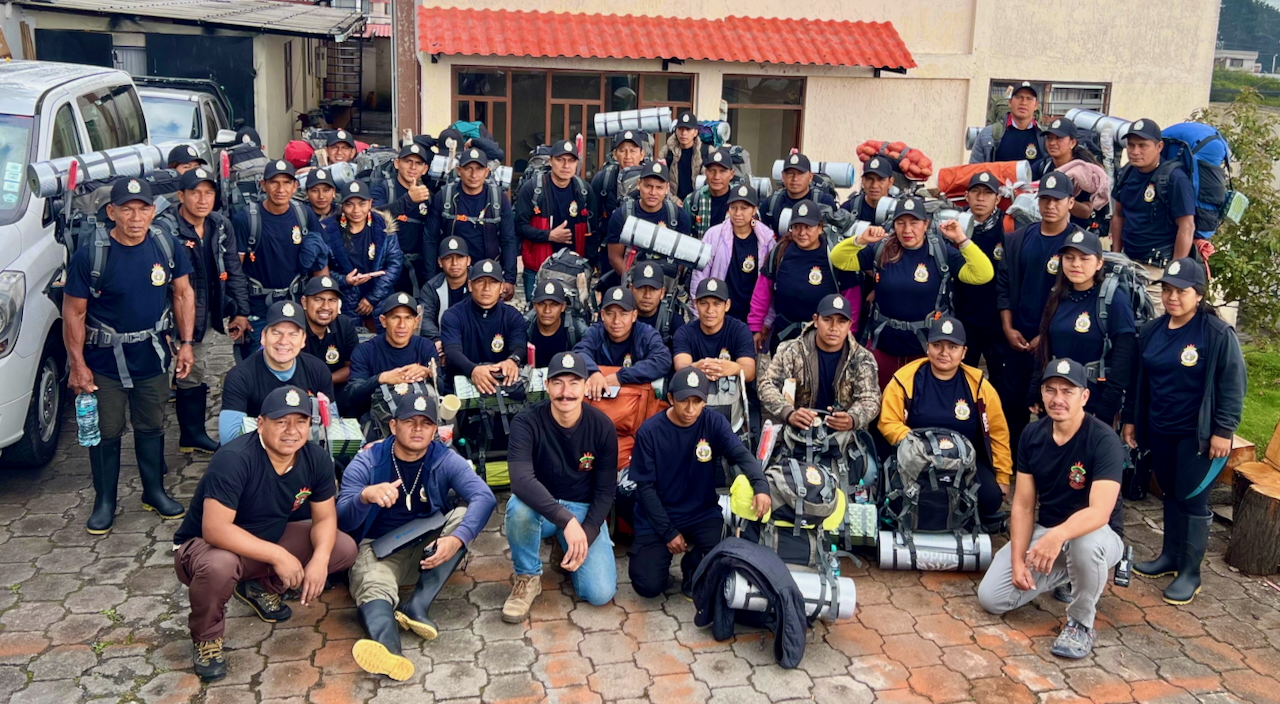
Felipe Borman with Cofán Park Guards. // Credit: Fundación Sobrevivencia Cofán
The executive director of Fundación Sobrevivencia Cofán tells us about territorial defense against illegal mining in the Amazon, Indigenous-led environmental guardianship, and the inseparability of cultural preservation and land protection.
Azimuth has been a partner of the Fundación Sobrevivencia Cofán since 2022, supporting their Park Guards Program, which protects over 400,000 hectares of Amazon and Andean forest.
More recently, we’ve supported the Lifeboat Garden project, which works to preserve traditional Cofán plant knowledge and farming practices, as well as improvements to the FSC’s headquarters in Quito, where Cofán families and park guards gather for education and training.
We hope this conversation inspires you to learn more about the Cofán and the crucial work the FSC is doing in Ecuador.
Play the video version below (English subtitles available), or scroll down for the podcast version (in English) and for the transcript.
CONNECTING THE DOTS – PODCAST
Are you a podcast fan? Make sure you subscribe to the podcast version of our Connecting the Dots series here.
TRANSCRIPT
20221122_083515
Credit: Fundación Sobrevivencia Cofán
My name is Felipe Borman. I’m the director of the Fundación Sobrevivencia Cofán. I’m a Cofán from the community of Zábalo.
The Fundación Sobrevivencia Cofán was built back in 1999 to help the Cofán navigate and survive in this changing world as an Indigenous group.
We have been working for over 20 years in different efforts that range from education, to conservation, development processes within the Indigenous communities, health within the Indigenous communities, and many other small projects that benefit directly the Cofáns.
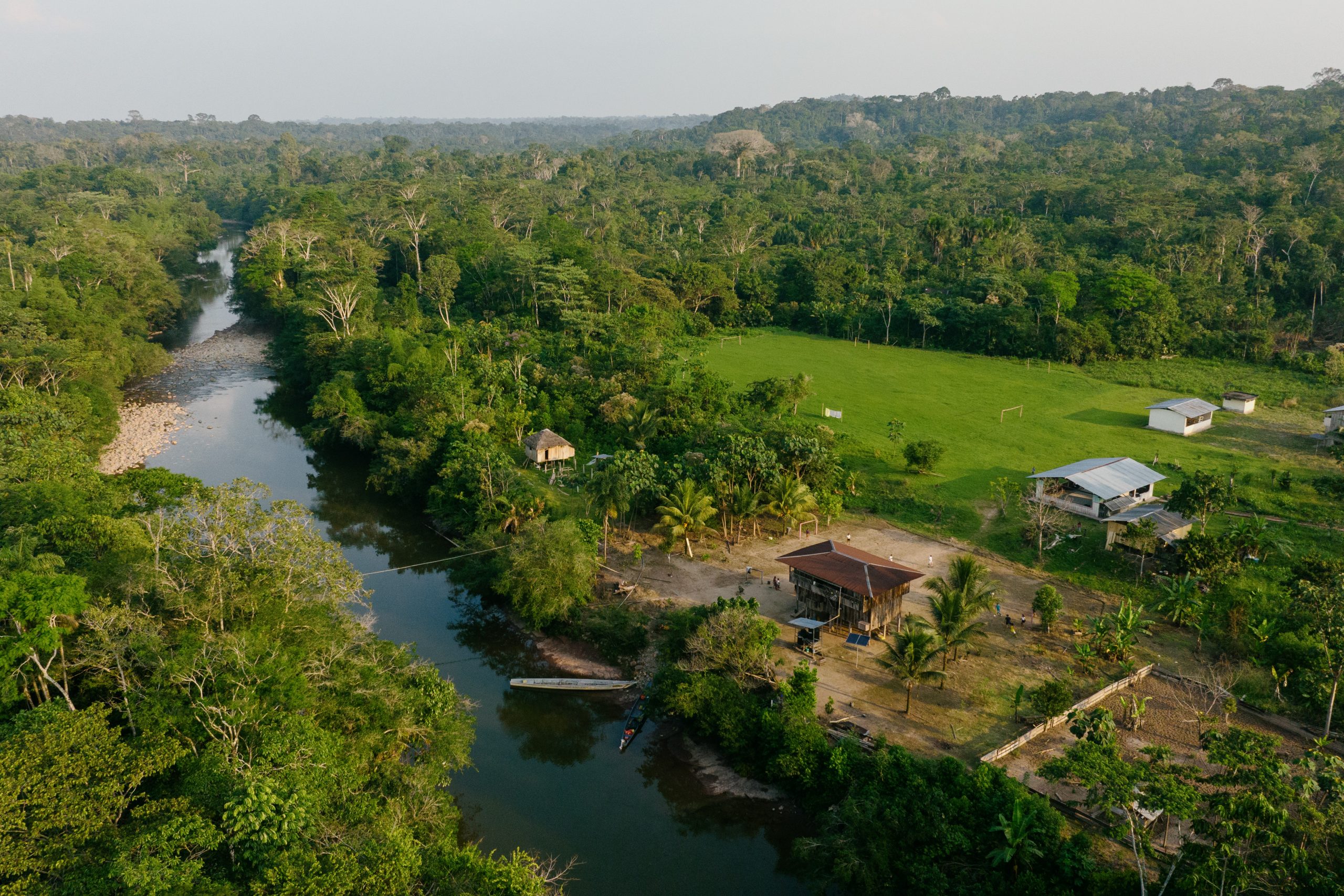
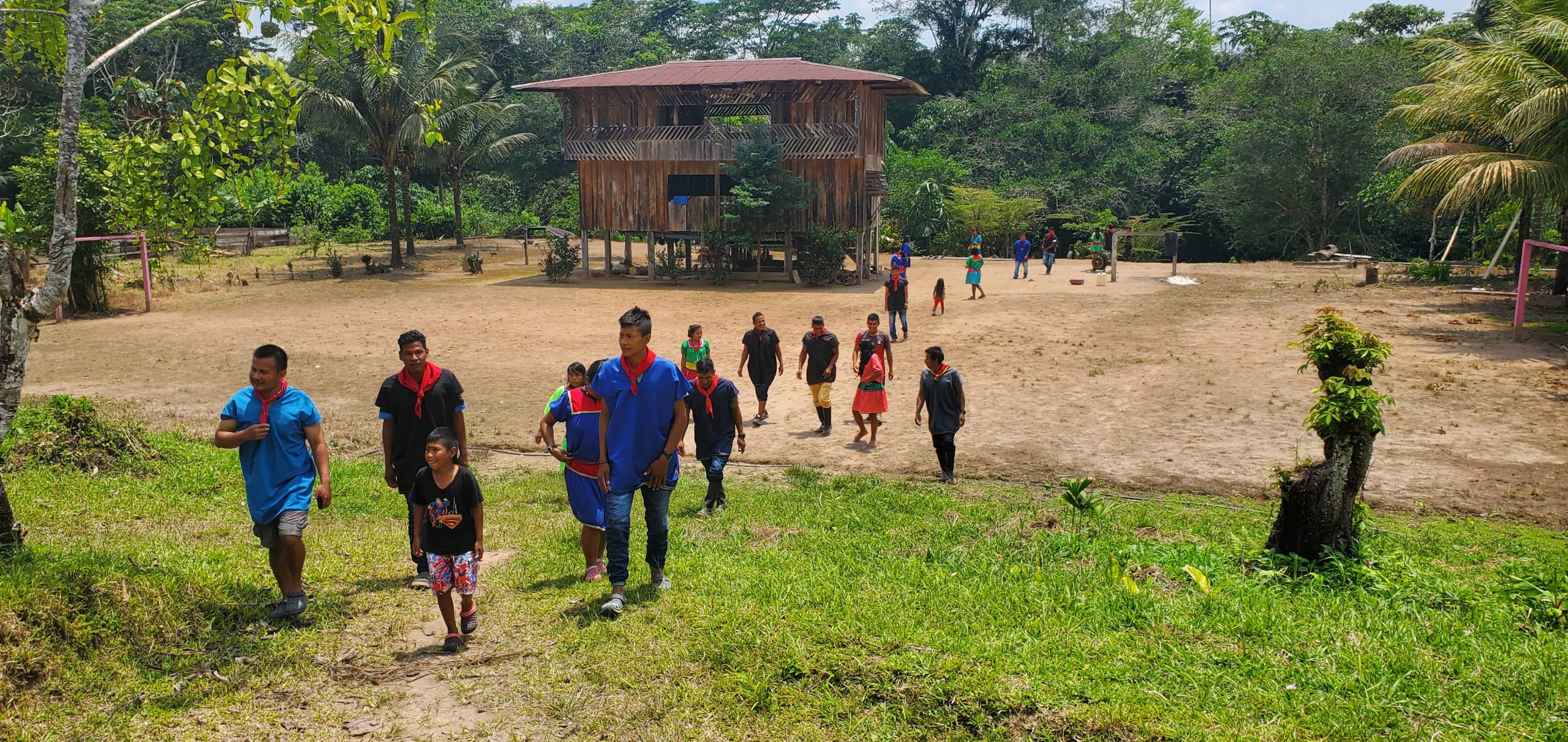
The Cofáns here in Ecuador, we number around 1,500 people. We are distributed in 14 different community centers. We manage around 400,000 to 500,000 hectares of land as Cofáns.
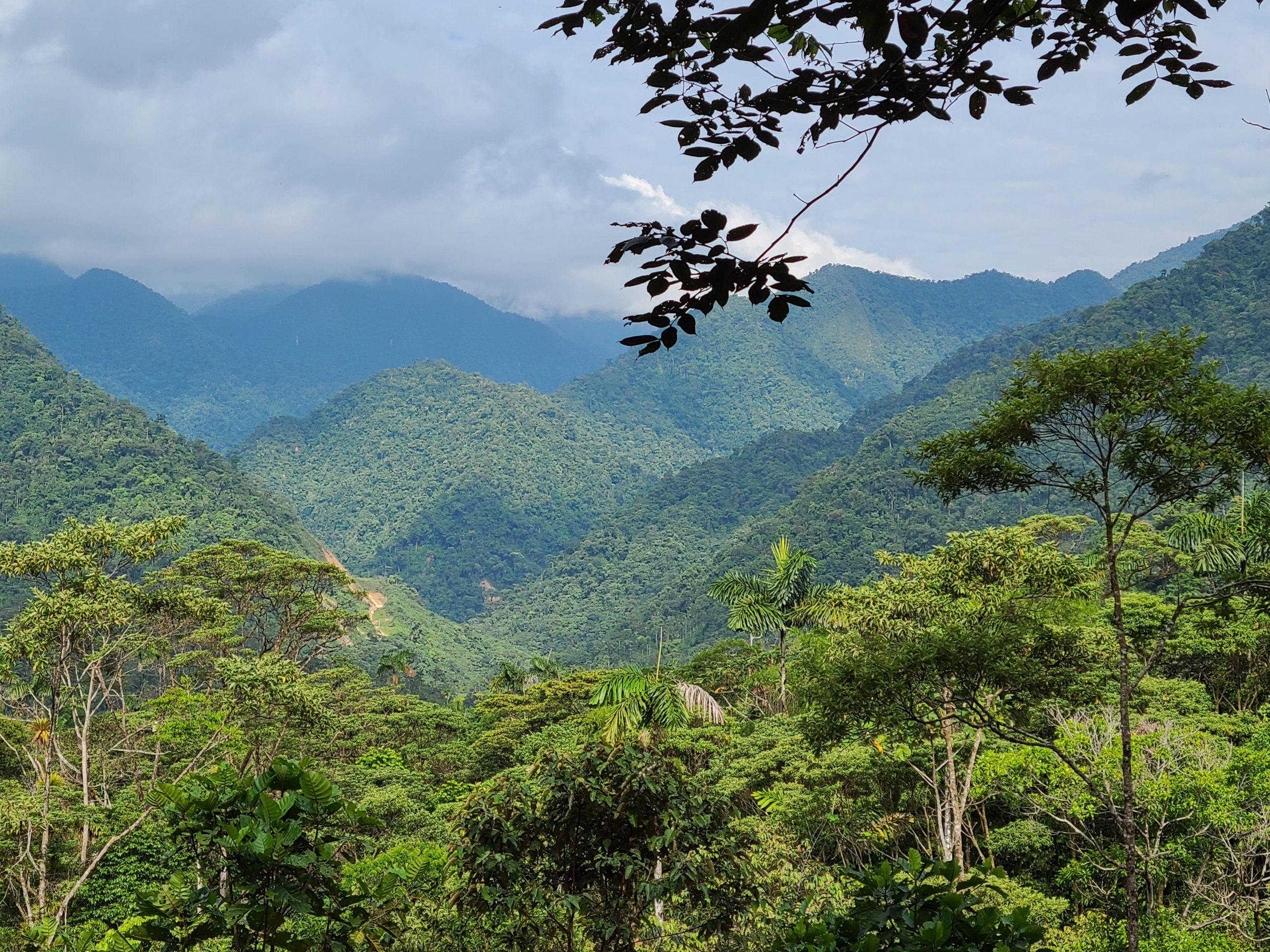
Our territories are in the northeast part of Ecuador, and range from the páramo to lowland forests. All our territories are connected through the Amazon tributary system. And in between we’ve got all these cities that have been growing because of the oil extraction that happened in our territory.
NGS-82828S-21-220901-04604
Credit: Kiliii Yuyan
Oil exploration started in the Cofán territories in the 1960s. That’s what brought in the whole outside world into our territories.
And at first we didn’t know what was going on. We had a lot of diseases that came in that wiped out a lot of our people. But more than anything, our territory shrunk hugely. People from the outside came in and said, “Hey, this is free territory. These Indigenous people don’t have any rights to this territory.” And then started creating their farms, started taking up territories.
And as Cofáns, we’ve been slowly learning what’s happening and started looking for our own land titles and some form of protection for our territories. And throughout the years, through different fights, we’ve been able to recover a lot of the territory that we lost.
20220902_113049
Credit: Fundación Sobrevivencia Cofán
A NEW GENERATION CARRYING THE LEGACY FORWARD
We’ve lost a great leader, my dad, Randall. He’s been essential to the Cofán story, but he has left a pretty good group of us that have been trained under him. And we are going to continue his legacy and we’re going to continue to work for our people and continue to work for our territories.
I’ve worked with the Fundación for a long time, but I usually do field work. And having to manage both places with the struggles that we have financially, it’s been hard and it’s been interesting to see how that is connected to the work that we do out in the field.
Sometimes we feel like we don’t have what we need, but we are super grateful for all the support that we have received up until now, and we hope people can continue to support us. We are doing the best we can with the support we are receiving. And as long as we continue to receive the support, we will continue to work for our forest and our people.
Guards—1-(2)
Credit: Fundación Sobrevivencia Cofán
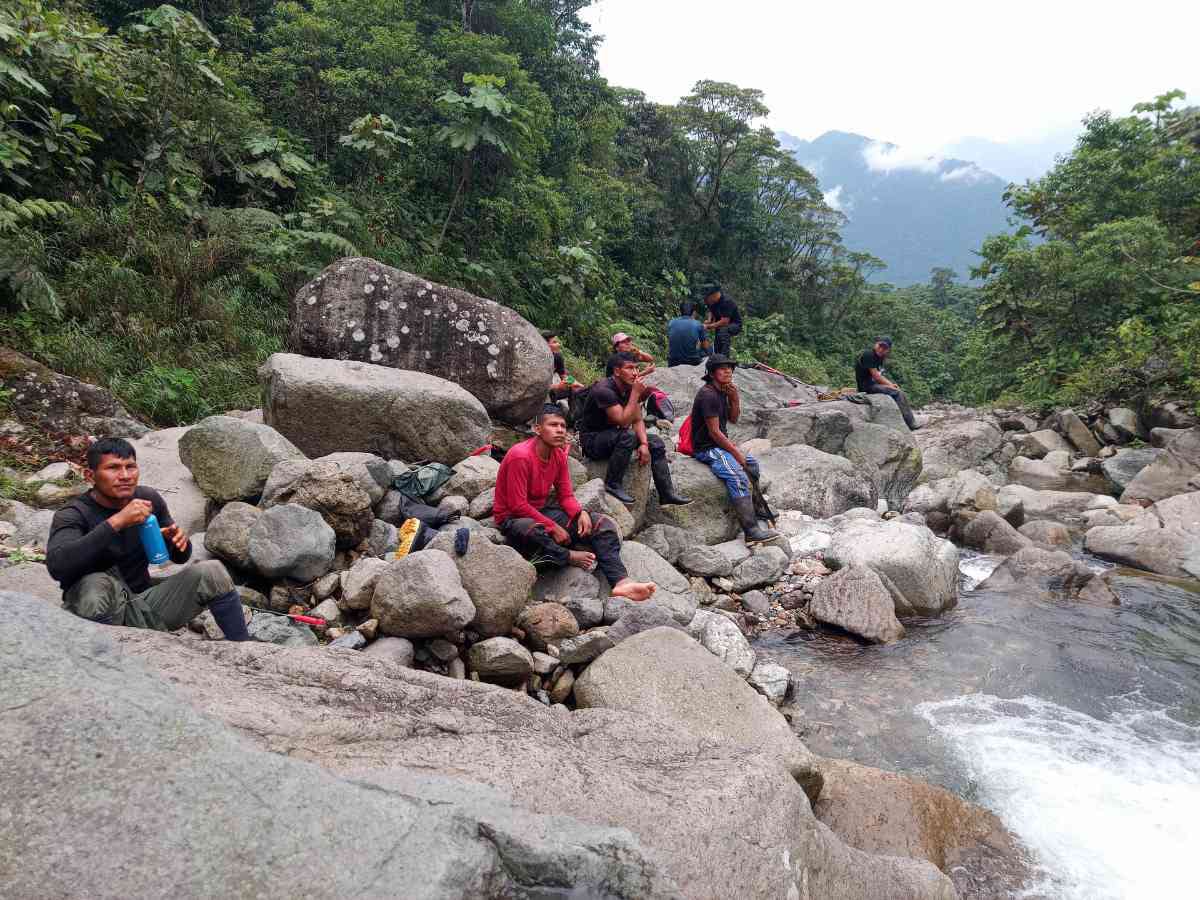
We fight for our territory. We actually care for it, and we care for it differently. We see it as our home. We see it as a forest that provides for us and we see it as part of our lives, while the government agencies just see it as resources that are put away for later on or that the urban world is using, like water.
And that’s why we’ve been able to protect our territories with more heart, I guess you could say, and do a better job. And obviously, when we’re in the forest, we feel comfortable in it. We’re at home. We’re able to understand the forest and actually really look after it.
And for us to get even more involved, I ran in the recent elections for the Cofán Federation. We formed a group of people that have a similar vision. We’re all Cofáns. We’ve all, one way or another, participated in the education system and have tried to get a better understanding of both worlds. And we’re going to try to help out our nation through that.
IMG-20240516-WA0066
Credit: Fundación Sobrevivencia Cofán
THE PRICE OF GOLD AND THE PRESSURE ON COFÁN TERRITORIES
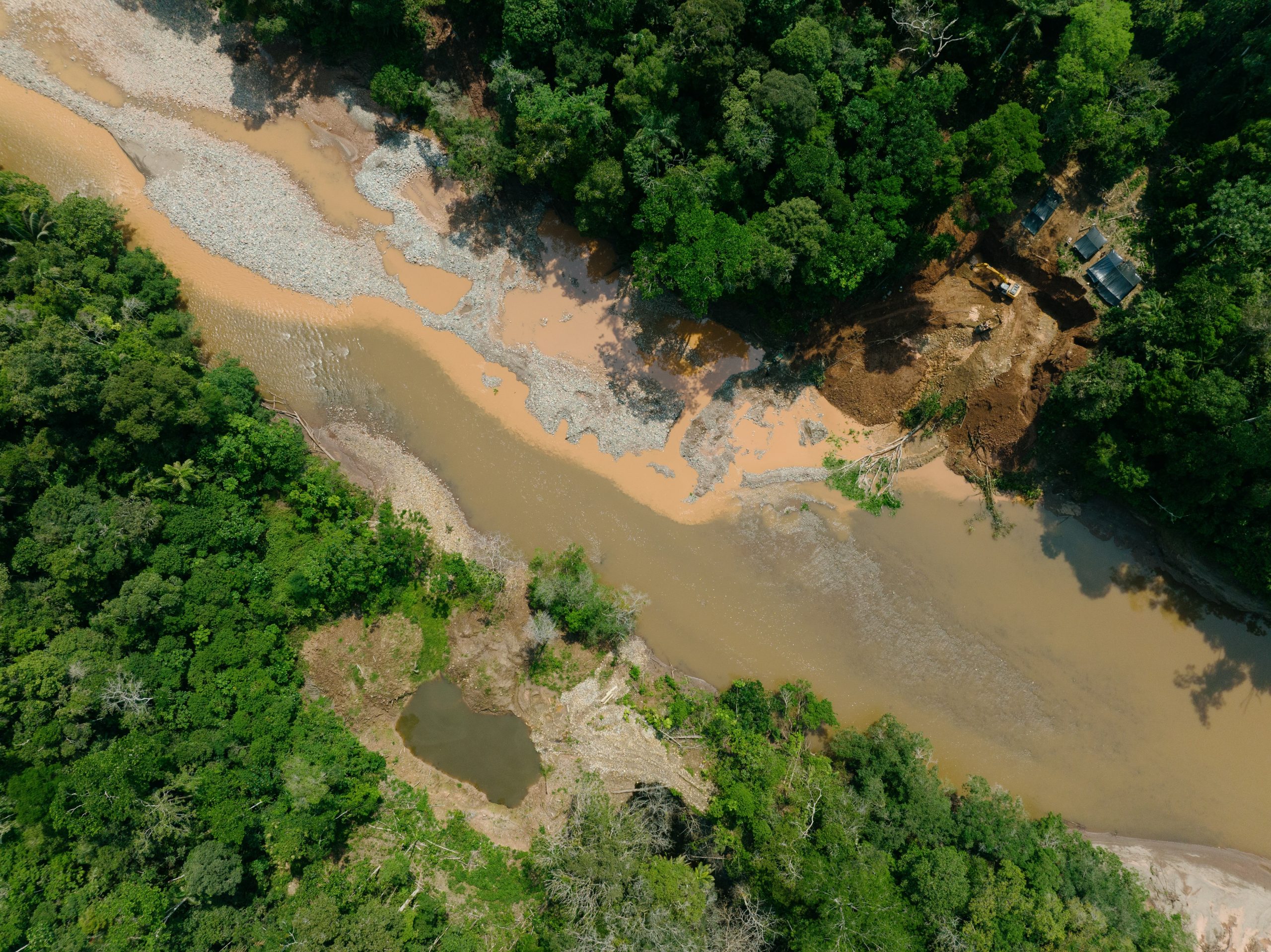
One of the major tasks we take on as FSC is territorial defense. With gold continuing to rise in price, the pressure on our territories from the different mining companies and illegal miners and artisanal miners, everybody, it’s growing.
You go into one of our territories and wash gold in a pan, and you can get, on a bad day, half a gram. Half a gram is going for 35 to 40 bucks easily. That’s way more than that person can earn just working. On a lucky day, someone will pull out two to three grams, that’s hitting the lottery for them.
And that incentivizes more people to go in. That story spreads to the next person and the next family starts going in and it just keeps on growing. They start communicating with people that have more resources, bring in a dredge and can get up to 20 grams per day.
And to be able to make sure that you get all the gold that’s coming through the sluice box or through the pans, what do they start doing? They start using mercury to make sure that they extract the maximum amount of gold from the work that they’re doing.
And then obviously the next step after the dredge is they call in an excavator and a big sluice box and actually start a major operation that starts really affecting our territory. And it gets to a point where we start getting bigger operations and people start using different methods to extract it that are harmful to our environment.
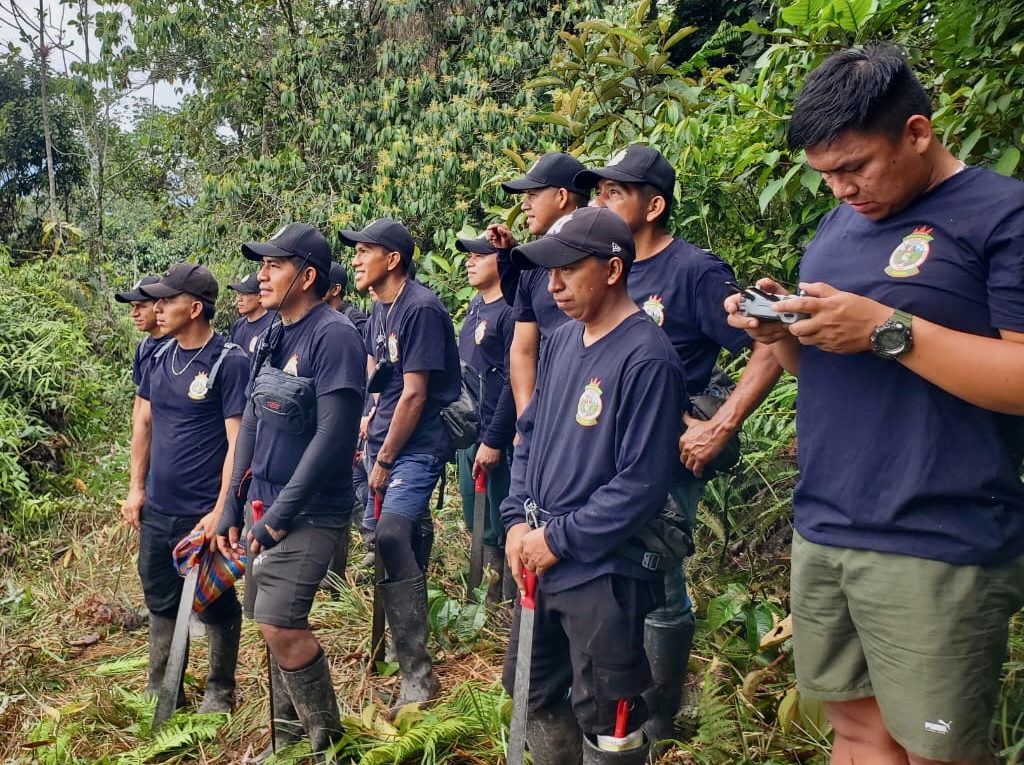
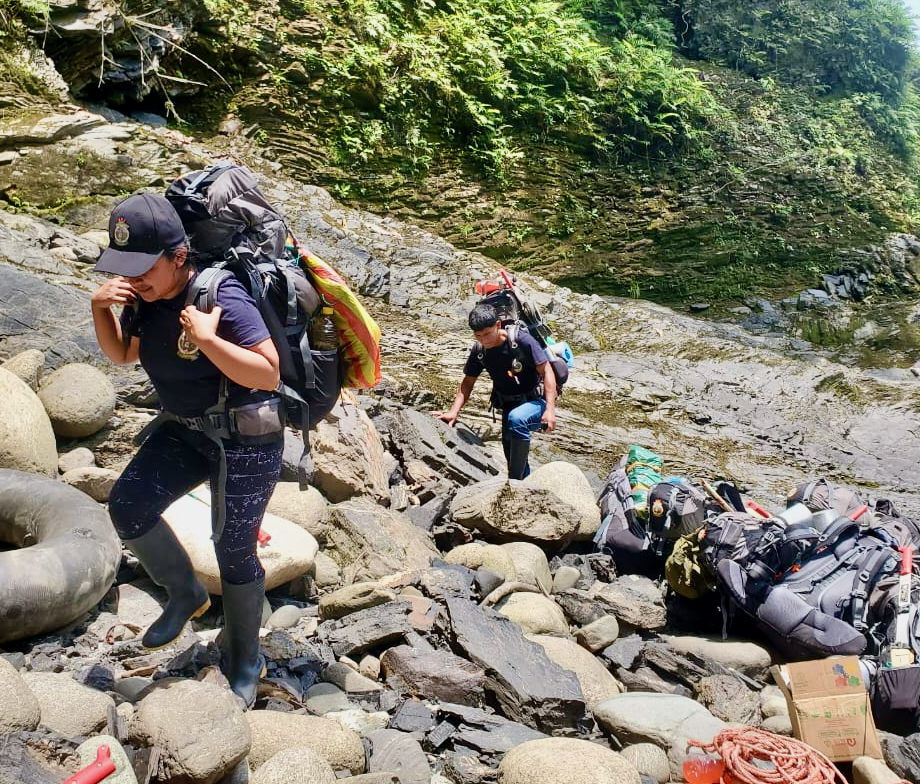
Our strategy is always to send a few patrols out during the year to make sure that we know what’s going on in our territory and to confront these miners. But it’s not enough anymore. We sent out a group this month and they’ll find some miners and confront them. But the minute they leave, the miners are back in there. The reward is just way too big for a lot of these miners. They’re taking huge risks to try to get the resources out of our land.
We’re looking for new strategies and we’re hoping to keep more people in the field, I guess, but that requires more resources.
NGS-82828S-21-220901-04275
Credit: Kiliii Yuyan
PATROLLING THE FRONTLINES AND NAVIGATING THE ILLEGAL MINING BOOM
It’s hard when you find illegal miners because there’s all sorts of people out there. There’s poor people out there who don’t have any work that are trying to make some money. There are families out there. There are upper class people that are more organized. There are illegal groups. There are actually people backed by a company. There’s even other fellow Indigenous people that are out there mining gold.
Each confrontation is different. And each confrontation has its risks. Each time we have to present a different dialogue on trying to convince them, “Hey, you know, this is our territory.”
Our park rangers, they get in trouble just for passing through a farm. On the outskirts, there’s always properties owned by farmers and different people. So to get out of our territories, sometimes we go through one of their properties and they get super mad at us and say, “Hey, this is trespassing.” But at the same time, they’re the ones that go in and mine gold in our area. So just trying to talk some sense into these people is hard.
GC—1_Credit_HugoLucitante
Credit: Hugo Lucitante
And then once in a while you’re running into companies or people backed by family members who are in the military or in the police force or in some government institutions. It’s difficult.
So depending on who we’re confronting, we do a little bit of investigation to see how true their story is and then we try to go to the different government agencies, which include the Ministry of Environment. Or it could be directly to the police, directly to the military. Sometimes we call up other fellow Cofán members to say, “Hey, we got to go and make some presence here.” So it depends who we’re fighting against.
It’s not only normal citizens anymore. The illegal armed force groups are also seeing that this is a place where they can make money. Obviously, they use threats, they use violence to control different territories, and then they put in their people to work on extracting gold, in this case.
And this makes it way more dangerous for us because when we go to confront them, we’re not just confronting someone that’s coming from the urban world to try to find some gold, but actually people that are backed by illegal armed groups or from some violent gang.
These gangs and these illegal armed forces have their connections throughout the whole government systems as well, and nothing happens. It’s a difficult struggle. We try to get conversations going with both sides, the legal side and the illegal side. And sometimes it works, sometimes it doesn’t.
GC—4_Credit_HugoLucitante
Credit: Hugo Lucitante
MORE THAN SHAMANISM: SAVING A LIVING CULTURE
We strongly believe in our language. And to maintain it alive, we need to continue our cultural practices. And to maintain our cultural practices, we need our territory, our forest to be intact. And so it’s all connected.
A good example of it is that we’ve got the education project here in Quito. We’ve got five families right now living here in Quito, and their kids are going to the schools here. But the parents and the kids prefer to speak Spanish in their household when they play because they’re not in the forest anymore where the language is important. Here, the Spanish language is important. We don’t have the forest, we start losing our language.
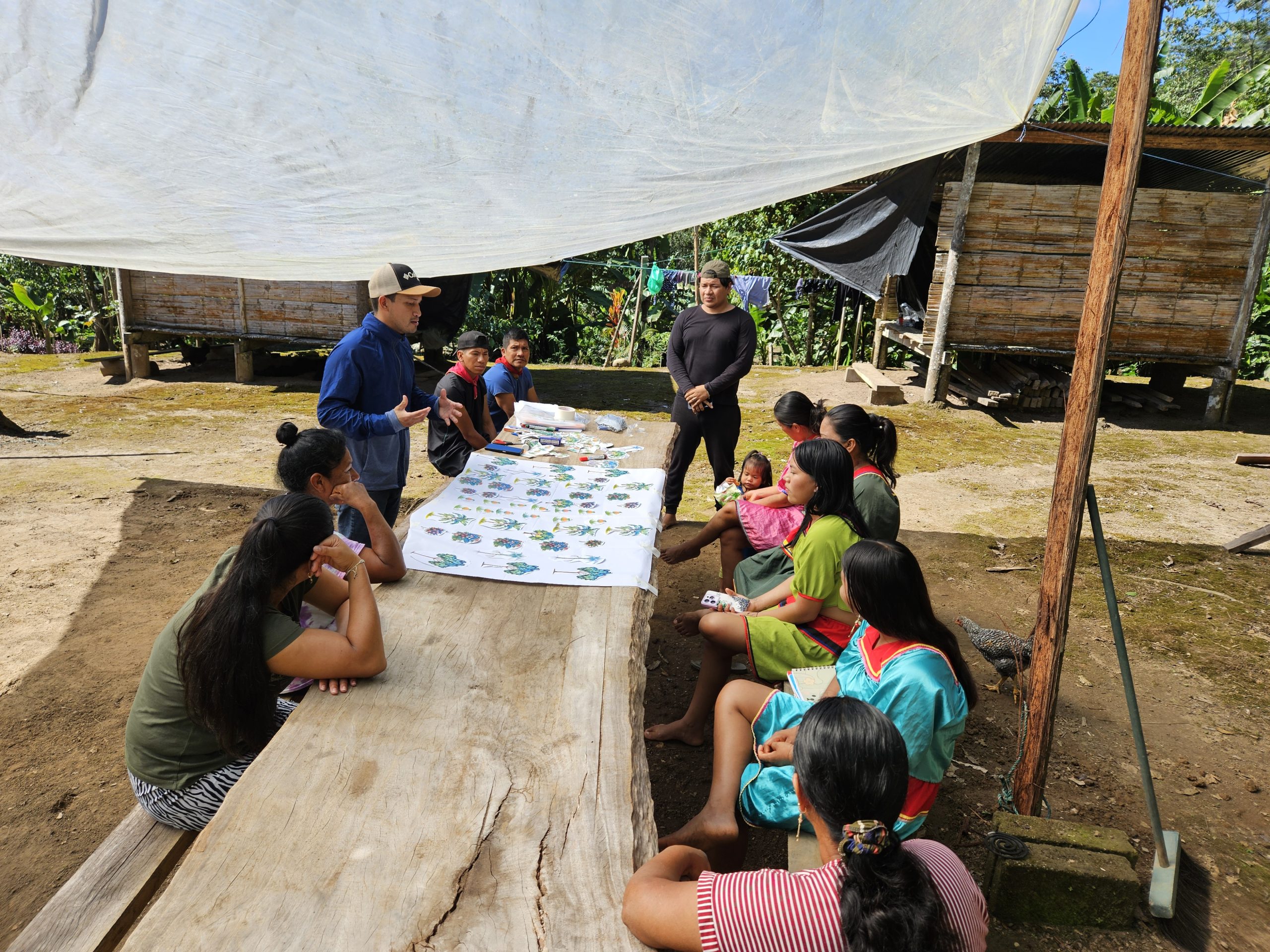
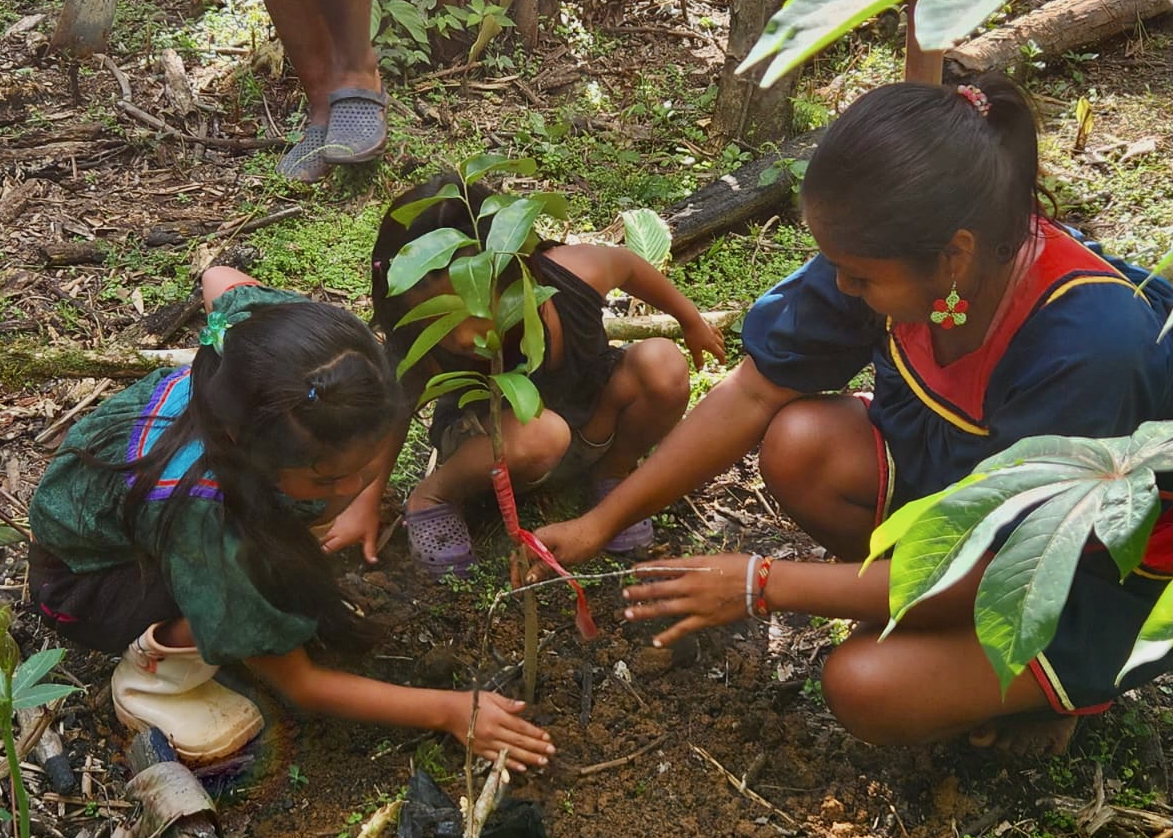
And so I think that’s something that we’re trying to protect and the whole reason why we created the Lifeboat Garden Center was to try to save that part of the culture that we’re losing.
We have like 14,000 species of plants in the Amazon. We interact with at least half of them during our lifetime. I’m pretty sure that it’s close to a thousand plants that we actually have names for in our culture. But we start losing those when those plants are not part of our life.
At the Lifeboat Garden Center, we’re trying to save some of the knowledge that goes around these plants so that we can continue to teach our future generations, so that we don’t lose that part of our culture and our language.
20250807_092532
Credit: Fundación Sobrevivencia Cofán
Sometimes what we end up getting told by the outside world is that our culture is all about the supernatural world. That’s what Indigenous people should be. And, no. I think a lot of our culture revolves around the physical and the natural world that we live in. And that doesn’t get given any importance by the outside world.
So we’re trying to bring some of that back and saying, “Hey, you know, there’s more to us than the shamanism, the yagé, the ayahuasca, and the pretty dress and our shamans, etc…” That’s not the only part of the culture that needs to be saved. There’s a lot more that needs to be saved.
One of our missions at FSC is to train the Cofán so that they can understand both worlds. Give them a good education, but not lose their cultural side while they’re receiving the education. And once we have a pretty good sized group of people that understand both worlds, hopefully, we can make more informed decisions. So that’s something big for us here at FSC. And we continue to bring students up. We continue to look for ways to get better education for our people.
But at the same time, we’ve got to continue to make sure that our territories are intact, that our culture continues to exist. The whole education process is a process that takes a long time. But our hope is that while it happens, we continue to protect our forest, our territory, our culture, so that the people that go through the education system or that learn about both worlds can have something to care for and protect in the future.
Transmission—1
Credit: Fundación Sobrevivencia Cofán
EXTERNAL LINKS
Share

Connecting the Dots with Felipe Borman
FelipePark.jpeg
Felipe Borman with Cofán Park Guards. // Credit: Fundación Sobrevivencia Cofán
The executive director of Fundación Sobrevivencia Cofán tells us about territorial defense against illegal mining in the Amazon, Indigenous-led environmental guardianship, and the inseparability of cultural preservation and land protection.
Azimuth has been a partner of the Fundación Sobrevivencia Cofán since 2022, supporting their Park Guards Program, which protects over 400,000 hectares of Amazon and Andean forest.
More recently, we’ve supported the Lifeboat Garden project, which works to preserve traditional Cofán plant knowledge and farming practices, as well as improvements to the FSC’s headquarters in Quito, where Cofán families and park guards gather for education and training.
We hope this conversation inspires you to learn more about the Cofán and the crucial work the FSC is doing in Ecuador.
Play the video version below (English subtitles available), or scroll down for the podcast version (in English) and for the transcript.
CONNECTING THE DOTS – PODCAST
Are you a podcast fan? Make sure you subscribe to the podcast version of our Connecting the Dots series here.
TRANSCRIPT
20221122_083515
Credit: Fundación Sobrevivencia Cofán
My name is Felipe Borman. I’m the director of the Fundación Sobrevivencia Cofán. I’m a Cofán from the community of Zábalo.
The Fundación Sobrevivencia Cofán was built back in 1999 to help the Cofán navigate and survive in this changing world as an Indigenous group.
We have been working for over 20 years in different efforts that range from education, to conservation, development processes within the Indigenous communities, health within the Indigenous communities, and many other small projects that benefit directly the Cofáns.
The Cofáns here in Ecuador, we number around 1,500 people. We are distributed in 14 different community centers. We manage around 400,000 to 500,000 hectares of land as Cofáns.
Our territories are in the northeast part of Ecuador, and range from the páramo to lowland forests. All our territories are connected through the Amazon tributary system. And in between we’ve got all these cities that have been growing because of the oil extraction that happened in our territory.
NGS-82828S-21-220901-04604
Credit: Kiliii Yuyan
Oil exploration started in the Cofán territories in the 1960s. That’s what brought in the whole outside world into our territories.
And at first we didn’t know what was going on. We had a lot of diseases that came in that wiped out a lot of our people. But more than anything, our territory shrunk hugely. People from the outside came in and said, “Hey, this is free territory. These Indigenous people don’t have any rights to this territory.” And then started creating their farms, started taking up territories.
And as Cofáns, we’ve been slowly learning what’s happening and started looking for our own land titles and some form of protection for our territories. And throughout the years, through different fights, we’ve been able to recover a lot of the territory that we lost.
20220902_113049
Credit: Fundación Sobrevivencia Cofán
A NEW GENERATION CARRYING THE LEGACY FORWARD
We’ve lost a great leader, my dad, Randall. He’s been essential to the Cofán story, but he has left a pretty good group of us that have been trained under him. And we are going to continue his legacy and we’re going to continue to work for our people and continue to work for our territories.
I’ve worked with the Fundación for a long time, but I usually do field work. And having to manage both places with the struggles that we have financially, it’s been hard and it’s been interesting to see how that is connected to the work that we do out in the field.
Sometimes we feel like we don’t have what we need, but we are super grateful for all the support that we have received up until now, and we hope people can continue to support us. We are doing the best we can with the support we are receiving. And as long as we continue to receive the support, we will continue to work for our forest and our people.
Guards—1-(2)
Credit: Fundación Sobrevivencia Cofán
We fight for our territory. We actually care for it, and we care for it differently. We see it as our home. We see it as a forest that provides for us and we see it as part of our lives, while the government agencies just see it as resources that are put away for later on or that the urban world is using, like water.
And that’s why we’ve been able to protect our territories with more heart, I guess you could say, and do a better job. And obviously, when we’re in the forest, we feel comfortable in it. We’re at home. We’re able to understand the forest and actually really look after it.
And for us to get even more involved, I ran in the recent elections for the Cofán Federation. We formed a group of people that have a similar vision. We’re all Cofáns. We’ve all, one way or another, participated in the education system and have tried to get a better understanding of both worlds. And we’re going to try to help out our nation through that.
IMG-20240516-WA0066
Credit: Fundación Sobrevivencia Cofán
THE PRICE OF GOLD AND THE PRESSURE ON COFÁN TERRITORIES
One of the major tasks we take on as FSC is territorial defense. With gold continuing to rise in price, the pressure on our territories from the different mining companies and illegal miners and artisanal miners, everybody, it’s growing.
You go into one of our territories and wash gold in a pan, and you can get, on a bad day, half a gram. Half a gram is going for 35 to 40 bucks easily. That’s way more than that person can earn just working. On a lucky day, someone will pull out two to three grams, that’s hitting the lottery for them.
And that incentivizes more people to go in. That story spreads to the next person and the next family starts going in and it just keeps on growing. They start communicating with people that have more resources, bring in a dredge and can get up to 20 grams per day.
And to be able to make sure that you get all the gold that’s coming through the sluice box or through the pans, what do they start doing? They start using mercury to make sure that they extract the maximum amount of gold from the work that they’re doing.
And then obviously the next step after the dredge is they call in an excavator and a big sluice box and actually start a major operation that starts really affecting our territory. And it gets to a point where we start getting bigger operations and people start using different methods to extract it that are harmful to our environment.
Our strategy is always to send a few patrols out during the year to make sure that we know what’s going on in our territory and to confront these miners. But it’s not enough anymore. We sent out a group this month and they’ll find some miners and confront them. But the minute they leave, the miners are back in there. The reward is just way too big for a lot of these miners. They’re taking huge risks to try to get the resources out of our land.
We’re looking for new strategies and we’re hoping to keep more people in the field, I guess, but that requires more resources.
NGS-82828S-21-220901-04275
Credit: Kiliii Yuyan
PATROLLING THE FRONTLINES AND NAVIGATING THE ILLEGAL MINING BOOM
It’s hard when you find illegal miners because there’s all sorts of people out there. There’s poor people out there who don’t have any work that are trying to make some money. There are families out there. There are upper class people that are more organized. There are illegal groups. There are actually people backed by a company. There’s even other fellow Indigenous people that are out there mining gold.
Each confrontation is different. And each confrontation has its risks. Each time we have to present a different dialogue on trying to convince them, “Hey, you know, this is our territory.”
Our park rangers, they get in trouble just for passing through a farm. On the outskirts, there’s always properties owned by farmers and different people. So to get out of our territories, sometimes we go through one of their properties and they get super mad at us and say, “Hey, this is trespassing.” But at the same time, they’re the ones that go in and mine gold in our area. So just trying to talk some sense into these people is hard.
GC—1_Credit_HugoLucitante
Credit: Hugo Lucitante
And then once in a while you’re running into companies or people backed by family members who are in the military or in the police force or in some government institutions. It’s difficult.
So depending on who we’re confronting, we do a little bit of investigation to see how true their story is and then we try to go to the different government agencies, which include the Ministry of Environment. Or it could be directly to the police, directly to the military. Sometimes we call up other fellow Cofán members to say, “Hey, we got to go and make some presence here.” So it depends who we’re fighting against.
It’s not only normal citizens anymore. The illegal armed force groups are also seeing that this is a place where they can make money. Obviously, they use threats, they use violence to control different territories, and then they put in their people to work on extracting gold, in this case.
And this makes it way more dangerous for us because when we go to confront them, we’re not just confronting someone that’s coming from the urban world to try to find some gold, but actually people that are backed by illegal armed groups or from some violent gang.
These gangs and these illegal armed forces have their connections throughout the whole government systems as well, and nothing happens. It’s a difficult struggle. We try to get conversations going with both sides, the legal side and the illegal side. And sometimes it works, sometimes it doesn’t.
GC—4_Credit_HugoLucitante
Credit: Hugo Lucitante
MORE THAN SHAMANISM: SAVING A LIVING CULTURE
We strongly believe in our language. And to maintain it alive, we need to continue our cultural practices. And to maintain our cultural practices, we need our territory, our forest to be intact. And so it’s all connected.
A good example of it is that we’ve got the education project here in Quito. We’ve got five families right now living here in Quito, and their kids are going to the schools here. But the parents and the kids prefer to speak Spanish in their household when they play because they’re not in the forest anymore where the language is important. Here, the Spanish language is important. We don’t have the forest, we start losing our language.
And so I think that’s something that we’re trying to protect and the whole reason why we created the Lifeboat Garden Center was to try to save that part of the culture that we’re losing.
We have like 14,000 species of plants in the Amazon. We interact with at least half of them during our lifetime. I’m pretty sure that it’s close to a thousand plants that we actually have names for in our culture. But we start losing those when those plants are not part of our life.
At the Lifeboat Garden Center, we’re trying to save some of the knowledge that goes around these plants so that we can continue to teach our future generations, so that we don’t lose that part of our culture and our language.
20250807_092532
Credit: Fundación Sobrevivencia Cofán
Sometimes what we end up getting told by the outside world is that our culture is all about the supernatural world. That’s what Indigenous people should be. And, no. I think a lot of our culture revolves around the physical and the natural world that we live in. And that doesn’t get given any importance by the outside world.
So we’re trying to bring some of that back and saying, “Hey, you know, there’s more to us than the shamanism, the yagé, the ayahuasca, and the pretty dress and our shamans, etc…” That’s not the only part of the culture that needs to be saved. There’s a lot more that needs to be saved.
One of our missions at FSC is to train the Cofán so that they can understand both worlds. Give them a good education, but not lose their cultural side while they’re receiving the education. And once we have a pretty good sized group of people that understand both worlds, hopefully, we can make more informed decisions. So that’s something big for us here at FSC. And we continue to bring students up. We continue to look for ways to get better education for our people.
But at the same time, we’ve got to continue to make sure that our territories are intact, that our culture continues to exist. The whole education process is a process that takes a long time. But our hope is that while it happens, we continue to protect our forest, our territory, our culture, so that the people that go through the education system or that learn about both worlds can have something to care for and protect in the future.
Transmission—1
Credit: Fundación Sobrevivencia Cofán
EXTERNAL LINKS
Share


